Introduction
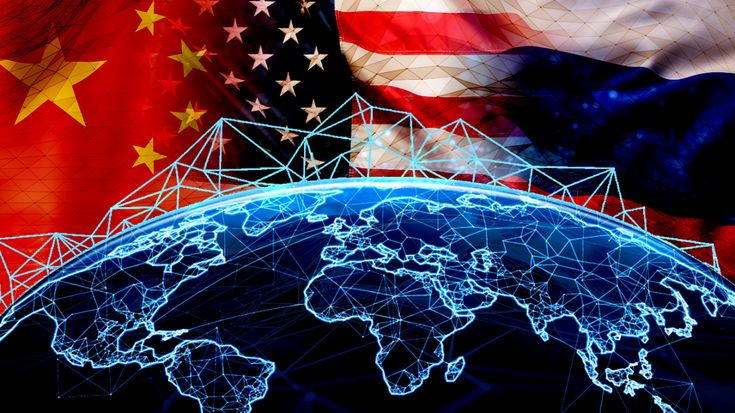
Modern life is very different from what it was just a few decades ago. Today, technology, globalization, and digital communication have completely changed how people live, think, and interact. This is often called “the new reality of modern life,” where almost everything is connected to technology in some way. From waking up with a smartphone alarm to working online and relaxing with digital entertainment, life is now deeply shaped by modern systems. While this new reality offers many benefits, it also brings challenges that affect individuals and society.
Technology at the Center of Life
In today’s world, technology is no longer optional—it is essential. Smartphones, laptops, and the internet are used for almost every daily activity. People communicate, learn, shop, and work through digital platforms. Social media connects billions of users, allowing instant communication across the globe.
This level of connectivity has made life faster and more convenient. Information is available within seconds, and tasks that once took hours can now be completed in minutes. However, this convenience also means that people are becoming more dependent on technology, often struggling to function without it.
Communication in the Modern Era
Communication has changed more than anything else in this new reality. In the past, people relied on letters, face-to-face meetings, and phone calls. Now, messaging apps, video calls, and social media platforms dominate communication.
While this has made it easier to stay connected, it has also changed the quality of relationships. Many conversations are now short, fast, and less personal. Emotional depth is sometimes lost in digital communication, where emojis replace real expressions and quick replies replace meaningful conversations.
Education and Knowledge Access
Education has also transformed in modern life. Students now have access to online classes, video tutorials, and digital libraries. Learning is no longer limited to physical classrooms.
This new system allows students to learn anytime and anywhere. It has made education more flexible and accessible, especially for those in remote areas. However, it also requires discipline and self-motivation. Without proper focus, students may get distracted by entertainment and social media, reducing the quality of learning.
Work and Career Changes
The modern workplace has also evolved. Remote work, freelancing, and digital businesses are now common. Many companies operate online, and employees can work from home using digital tools.
Automation and artificial intelligence have improved efficiency in many industries. Machines and software now handle tasks that once required human effort. While this increases productivity, it also creates fear of job loss in some sectors.
People are now required to learn new skills continuously to keep up with changing job demands. The idea of a stable, lifelong job is slowly changing in this new reality.
Social Media and Lifestyle Influence
Social media plays a major role in modern life. Platforms like Instagram, TikTok, and Facebook allow people to share their lives and connect with others.
It has created new opportunities for fame, creativity, and income. Many individuals have become influencers and content creators. However, social media also affects mental health. People often compare their lives with others, leading to stress, anxiety, and low self-esteem.
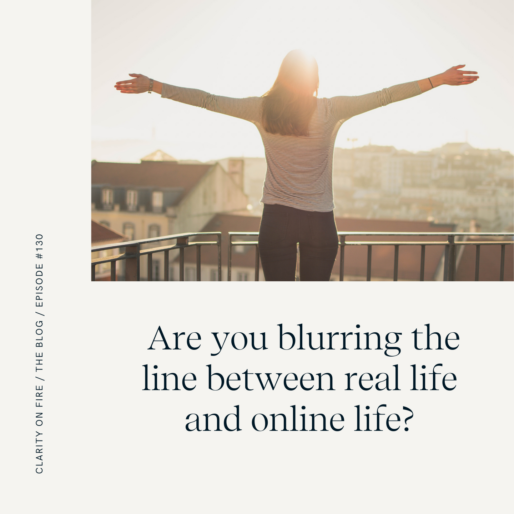
The pressure to look perfect online can make real life feel less satisfying. Many people now spend more time managing their online image than living in the present moment.
Entertainment and Digital Habits
Entertainment has become more accessible than ever. Streaming services, online games, and short video apps provide endless content. People can enjoy movies, music, and videos anytime they want.
However, this easy access can lead to overuse. Many individuals spend hours scrolling or watching content without realizing how much time they are wasting. This can reduce productivity and affect daily routines.
Digital entertainment is enjoyable, but without control, it can become a distraction from real-life responsibilities.
Health and Well-Being
Modern life has also changed health patterns. Technology has improved medical care through advanced treatments, online consultations, and better diagnostics. This has saved many lives and improved healthcare systems worldwide.
At the same time, excessive use of technology can harm physical and mental health. Long screen time can cause eye strain, poor posture, and sleep problems. Mentally, constant exposure to digital content can lead to stress, anxiety, and reduced attention span.
A lack of physical activity is also a growing concern in modern lifestyles.
Privacy and Security Concerns
In this new reality, privacy has become a serious issue. Almost every online activity is tracked and recorded. Companies collect user data to improve services and target advertisements.
While this can be useful, it also raises concerns about how personal information is used. Cybersecurity threats such as hacking, scams, and data leaks are becoming more common. People must be careful about what they share online and how they protect their digital identity.
Finding Balance in Modern Life
Despite all these challenges, modern life is not negative. Technology and globalization have improved many aspects of living. The key is balance. People must learn to use technology wisely without becoming overly dependent on it.
Spending time offline, maintaining real relationships, and limiting screen time can help create a healthier lifestyle. Awareness and discipline are important to ensure that technology remains a tool, not a control system.
Conclusion
In conclusion, the new reality of modern life is shaped by technology, connectivity, and constant change. It has made life faster, smarter, and more convenient, but it has also created new challenges related to dependence, privacy, health, and social behavior.
About the Author