Introduction
Governments play a crucial role in shaping the direction of a country. Through laws and policies, they aim to improve the lives of citizens, maintain stability, and promote development. However, the process of creating and implementing these policies is far more complex than it appears. Behind every decision lies a series of challenges that governments must carefully manage. From economic pressures to public expectations, modern governance requires constant balancing and adaptation in an ever-changing world.
Balancing Economic Pressures
One of the biggest challenges governments face is managing the economy. They must control inflation, create jobs, and ensure sustainable growth. Decisions made by institutions like the Federal Reserve influence interest rates and financial stability, but they can also have unintended consequences. For example, raising interest rates may control inflation but can slow down economic growth. Governments must constantly balance these competing priorities while addressing issues such as unemployment and rising living costs.
Meeting Public Expectations
Citizens expect governments to solve problems quickly and effectively. Whether it is healthcare, education, or infrastructure, public demands are high. However, limited resources and political constraints often make it difficult to satisfy everyone. Social media platforms like Twitter amplify public opinion, increasing pressure on leaders to respond immediately. This can lead to rushed decisions or policies that focus more on popularity than long-term benefits.
Political Divisions and Conflict
In many countries, political polarization has become a major issue. Different political parties often have opposing views on key issues, making it difficult to pass laws or implement policies. This division can slow down decision-making and create instability. In democratic systems, debate is essential, but extreme polarization can prevent progress and reduce public trust in government institutions.
Global Challenges and International Relations
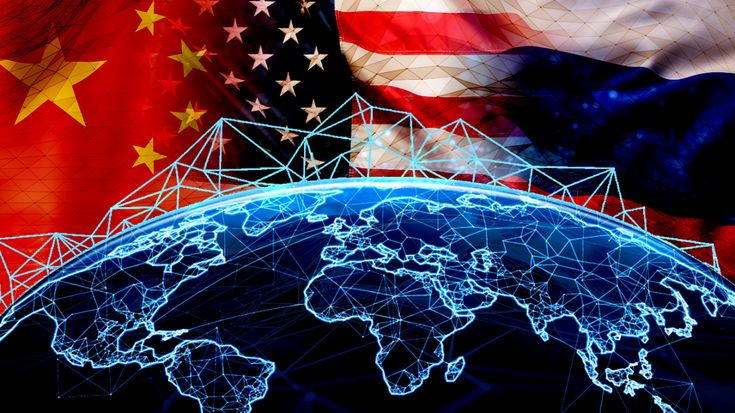
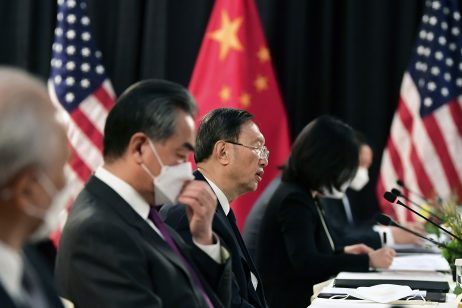
Governments today must also deal with global issues that go beyond national borders. Climate change, trade, and security require cooperation between countries. Organizations like the United Nations play a key role in promoting international collaboration. However, differences in national interests can make it difficult to reach agreements. Governments must balance their own country’s needs with global responsibilities.
Technology and Cybersecurity
The rapid growth of technology has created new opportunities and challenges for governments. While digital tools improve efficiency and communication, they also introduce risks such as cyberattacks and data breaches. Governments must invest in cybersecurity to protect sensitive information and maintain public trust. At the same time, they must create regulations to manage emerging technologies like artificial intelligence, often working alongside companies such as Microsoft and Google.
Corruption and Accountability
Maintaining transparency and accountability is another major challenge. Corruption can weaken institutions, reduce economic growth, and damage public trust. Governments must enforce laws and create systems that ensure fairness and integrity. Independent organizations and watchdog groups play an important role in holding leaders accountable, but enforcing these standards is not always easy.
Crisis Management
Unexpected crises such as natural disasters, pandemics, or economic recessions test the strength of governments. The response to events like the COVID-19 pandemic showed how difficult it is to manage emergencies. Governments must act quickly, make critical decisions, and communicate effectively with the public. At the same time, they must consider long-term impacts and avoid creating new problems while solving immediate ones.
Conclusion
In conclusion, the process of governing is far more challenging than it appears on the surface. Behind every policy lies a complex web of decisions, trade-offs, and responsibilities. Governments must balance economic stability, public expectations, political differences, and global challenges while adapting to rapid technological change. Understanding these difficulties helps us appreciate the effort involved in governance. While no system is perfect, effective leadership, transparency, and cooperation can help governments overcome these challenges and create a better future for their citizens.
About the Author