Introduction
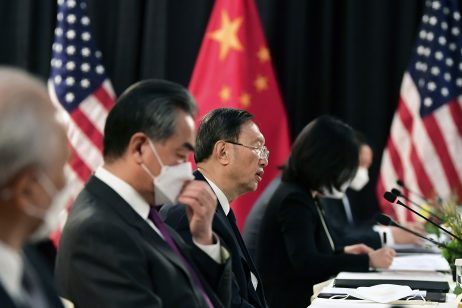
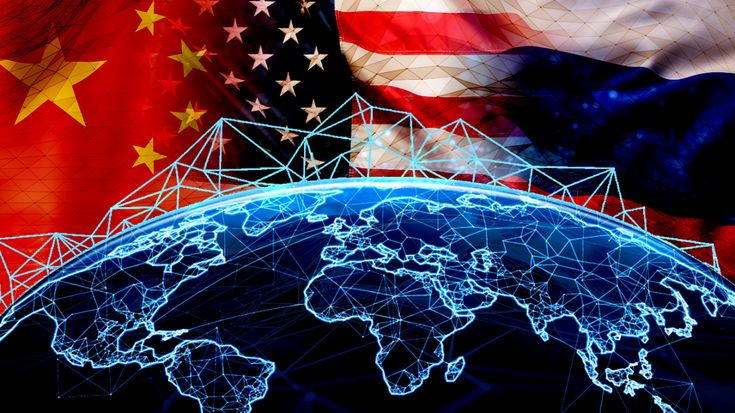
Global affairs refer to the relationships, interactions, and issues that connect countries around the world. In today’s interconnected world, no nation exists in isolation. Decisions made in one country can affect others economically, politically, and socially. While global affairs often highlight cooperation and diplomacy, the reality is much more complex. Power struggles, conflicts, and competing national interests continue to shape international relations. Understanding these dynamics is essential to grasp how the modern world operates.
Power and Influence Among Nations
One of the most important aspects of global affairs is the distribution of power among countries. Some nations, such as the United States, China, and members of the European Union, hold significant economic and military influence. These countries often shape global policies and decisions through international institutions and alliances. Organizations like the United Nations play a key role in maintaining peace and encouraging cooperation, but powerful nations still have a major influence on global outcomes.
Power is not only military or economic; it also includes technological and cultural influence. For example, companies like Google and Microsoft contribute to global digital infrastructure, shaping how people communicate and access information worldwide.
International Conflicts and Tensions
Despite efforts for peace, conflicts remain a major part of global affairs. These conflicts may arise due to territorial disputes, political differences, or competition for resources. Wars and regional tensions continue to affect millions of people, leading to displacement, economic loss, and humanitarian crises. Even diplomatic disagreements between powerful nations can create instability in global markets and security systems.
Modern conflicts are not limited to physical warfare. Cyber warfare and information battles have become increasingly common. Countries now compete in digital spaces, targeting infrastructure, data systems, and public opinion. This new form of conflict makes international relations more complex and harder to control.
Global Cooperation and Alliances
While conflict exists, cooperation between countries is equally important. Nations work together to solve global problems such as climate change, poverty, and public health crises. International agreements and organizations help create frameworks for collaboration. For example, during global emergencies, countries often share medical supplies, research, and financial aid.
Trade agreements also strengthen cooperation by allowing countries to exchange goods and services. This interconnected economy benefits many nations but also creates dependence, where economic issues in one country can affect others worldwide.
Economic Interdependence
Global economies are deeply connected. A financial crisis in one major economy can spread quickly across the world. Supply chains link countries together, meaning that products are often designed in one country, manufactured in another, and sold globally. This interdependence has increased efficiency and economic growth but also created vulnerability.
Events such as the COVID-19 pandemic highlighted how fragile global systems can be. Lockdowns and disruptions in trade affected industries worldwide, showing the importance of resilience and diversification in global systems.
Role of Technology in Global Affairs
Technology plays a major role in shaping international relations today. Digital communication allows governments and organizations to interact instantly. Social media platforms like Twitter influence public opinion and even political movements across countries.
At the same time, technological competition has become a source of tension. Nations compete in areas like artificial intelligence, space exploration, and cybersecurity. The rise of advanced technologies has created both opportunities for cooperation and risks of rivalry.
Environmental Challenges
Climate change is one of the most urgent global issues. Rising temperatures, natural disasters, and environmental degradation affect all countries, regardless of borders. Addressing these challenges requires global cooperation. Agreements aimed at reducing carbon emissions and protecting natural resources are essential for long-term survival.
However, not all countries agree on how to share responsibilities. Developing nations often argue that industrialized countries should take greater responsibility due to their historical emissions. This creates ongoing debates in international climate negotiations.
Cultural Exchange and Soft Power
Global affairs are not only about politics and economics but also about culture. Countries influence each other through media, entertainment, education, and lifestyle. This cultural exchange helps build understanding between nations.
Soft power, or the ability to influence others through culture and ideas, has become an important tool in international relations. Films, music, and digital content shape how countries are perceived globally. This influence can improve diplomatic relations or sometimes create misunderstandings.
Conclusion
In conclusion, global affairs are shaped by a complex mix of power, conflict, and cooperation. While nations work together to solve global problems, competition and disagreements remain unavoidable. Economic interdependence, technological advancement, and environmental challenges continue to reshape international relations. Understanding these realities helps us see that the world is deeply connected, yet still divided by interests and power struggles. Moving forward, cooperation, dialogue, and mutual respect will be essential for building a more stable and peaceful global future.
About the Author