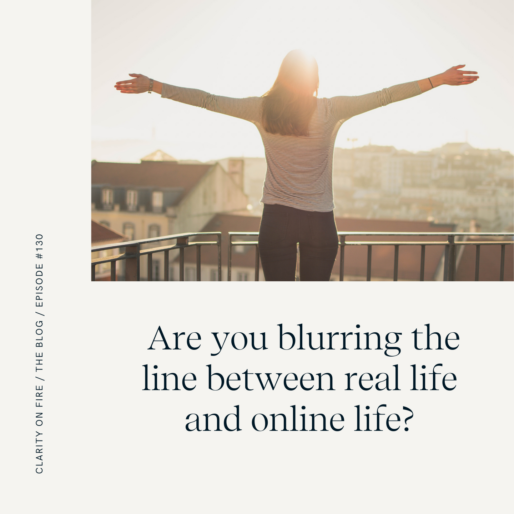
In today’s fast-paced world, the idea of a “modern lifestyle” often looks glamorous and exciting. Social media, advertisements, and popular culture present a picture of success filled with luxury, freedom, and constant happiness. People are shown traveling to beautiful destinations, enjoying expensive meals, wearing stylish clothes, and living what appears to be a perfect life. But the truth is far more complex. The reality of modern lifestyle is very different from what we see on screens.
At its core, the modern lifestyle is shaped by convenience and technology. Smartphones, high-speed internet, and digital platforms have made life easier in many ways. We can communicate instantly, work remotely, shop online, and access endless information with just a few clicks. While these advancements have improved efficiency, they have also created new challenges that are often ignored.
One of the biggest realities of modern lifestyle is stress. Despite having more tools and opportunities than ever before, many people feel overwhelmed. The pressure to succeed, earn more money, and maintain a certain standard of living can be exhausting. People are constantly chasing goals, trying to keep up with trends, and comparing themselves to others. This continuous race often leaves little time for rest or self-reflection.
Another important aspect is the illusion of perfection. Modern lifestyle is often portrayed as flawless, but in reality, it is filled with struggles. Behind every successful career, there are long working hours, failures, and sacrifices. Behind every perfect home, there may be financial burdens or personal conflicts. What we see is only the final result, not the journey it took to get there.
Technology, while beneficial, has also contributed to a sense of disconnection. People spend more time on their devices than interacting face-to-face. Families may sit together in the same room, yet each person is absorbed in their own screen. Friendships are maintained through messages rather than meaningful conversations. As a result, genuine human connection is slowly weakening.
The modern lifestyle also promotes a culture of constant comparison. With social media showcasing the best moments of people’s lives, individuals often feel like they are not doing enough. This comparison can lead to dissatisfaction and low self-esteem. Instead of appreciating their own progress, people focus on what they lack.
Health is another area where the reality differs from the image. While modern living offers convenience, it often leads to unhealthy habits. Fast food, lack of physical activity, and irregular sleep patterns have become common. Many people struggle to maintain a healthy balance between work and personal life, which affects both their physical and mental well-being.
Financial pressure is also a hidden part of the modern lifestyle. Maintaining a certain image—whether it is through branded clothes, gadgets, or experiences—can be expensive. Some individuals spend beyond their means just to keep up appearances. This can lead to debt, anxiety, and long-term financial problems.
However, it is important to recognize that the modern lifestyle is not entirely negative. It offers opportunities for growth, creativity, and independence. People can pursue their passions, build careers, and connect with others around the world. The key is to approach it with awareness and balance.
Living a meaningful life in today’s world requires conscious choices. It means understanding that what we see is not always the full truth. It involves setting personal goals instead of blindly following trends. It also requires taking care of one’s mental and physical health, building real relationships, and finding time for rest.
Another important step is practicing gratitude. Instead of constantly chasing more, people can focus on what they already have. This shift in mindset can bring a sense of contentment and reduce the pressure to compete with others.