Introduction
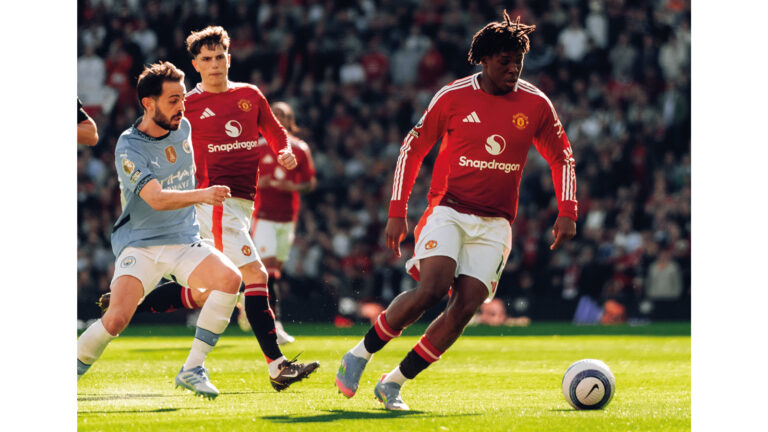
Sports are often seen as a source of entertainment, passion, and national pride. Fans admire athletes for their strength, skill, and determination, often viewing them as heroes. However, beyond the excitement of competition lies a more complex reality. Athletes today face numerous challenges that go far beyond the game itself. From physical injuries to mental pressure and public expectations, the life of a modern athlete is not as glamorous as it may appear.
Physical Demands and Injuries
One of the most obvious challenges athletes face is the physical strain of their profession. Training for hours every day, maintaining peak fitness, and competing at high levels can take a serious toll on the body. Injuries are common, and some can be career-ending. Athletes in leagues like the National Football League or the National Basketball Association often push their bodies to the limit. Even with advanced medical care, recovery can be long and painful, and the fear of re-injury is always present.
Mental Health Pressure
In recent years, mental health has become an important topic in sports. Athletes are under constant pressure to perform well, win games, and meet expectations from fans, coaches, and sponsors. High-profile athletes like Simone Biles have openly discussed the importance of mental well-being, helping to reduce the stigma around this issue. Anxiety, stress, and burnout are common, especially when athletes feel they cannot meet the high standards set for them.
Public Expectations and Media Scrutiny
Athletes today live in the spotlight. With the rise of social media, every performance, mistake, or personal decision can be instantly shared and judged by millions. Platforms like Instagram and Twitter amplify both praise and criticism. While positive support can motivate athletes, negative comments and online abuse can deeply affect their confidence and mental health. Maintaining a public image while dealing with personal challenges is not easy.
Short Career Span and Uncertain Future
Unlike many other professions, athletic careers are often short. Most athletes reach their peak in their 20s or early 30s, and injuries or declining performance can end careers suddenly. This creates uncertainty about the future. Many athletes struggle with financial planning, career transitions, and finding a new identity after retirement. Without proper guidance, life after sports can be difficult.
Balancing Personal Life and Professional Demands
Athletes often have to sacrifice their personal lives to succeed in their careers. Long training hours, frequent travel, and strict routines leave little time for family and friends. Maintaining relationships can be challenging, and many athletes miss important life events. The pressure to stay focused on performance can also limit their ability to enjoy a normal lifestyle.
Doping and Ethical Challenges
Another serious issue in modern sports is the temptation to use performance-enhancing drugs. The pressure to succeed and stay competitive can lead some athletes to make unethical choices. However, strict regulations and organizations like the World Anti-Doping Agency work to ensure fair competition. Athletes who are caught doping face serious consequences, including bans and damage to their reputation.
Financial Pressure and Inequality
While top athletes earn millions, many others struggle financially. Not all sports receive the same level of attention or sponsorship. Athletes in less popular sports may find it difficult to support themselves, despite their talent and hard work. Even in major sports, young or lower-level players may face financial instability. Managing money and securing long-term financial stability is a major concern.
Conclusion
In conclusion, the life of an athlete is far more challenging than it appears on the surface. Beyond the excitement of competition, athletes deal with physical injuries, mental health struggles, public pressure, and uncertain futures. While sports continue to inspire and entertain millions, it is important to recognize the human side of athletes. They are not just performers but individuals facing real-life challenges. By understanding these difficulties, society can better support athletes and appreciate the dedication and sacrifice behind every performance.
About the Author