Introduction
Technology has become an essential part of modern life. From smartphones and social media to artificial intelligence and automation, it shapes how we communicate, work, and think. While technology has brought undeniable convenience and progress, it also has a darker side that often goes unnoticed. Understanding these hidden challenges is important if we want to use technology wisely rather than be controlled by it.
Impact on Mental Health
One of the most visible issues is the impact of technology on mental health. Social media platforms encourage constant comparison, where people measure their lives against carefully curated versions of others. This can lead to feelings of inadequacy, anxiety, and depression. Instead of connecting people in meaningful ways, technology sometimes creates a sense of loneliness. People may have hundreds of online “friends,” yet still feel isolated in real life. The pressure to stay constantly updated and engaged can also lead to stress and digital burnout.
Loss of Privacy
Another major concern is the loss of privacy. In today’s digital world, personal data is constantly being collected, stored, and analyzed. Every click, search, and interaction leaves a digital footprint. Companies use this data to target users with personalized ads, while hackers and cybercriminals look for ways to exploit it. Many people are unaware of how much information they are sharing online and how it can be used. This raises serious questions about security and control over personal information.
Decline in Human Interaction
Technology has also changed the nature of human interaction. Face-to-face communication is becoming less common, replaced by text messages, emojis, and short videos. While these tools are fast and convenient, they often lack the emotional depth of real conversations. Misunderstandings are more likely to occur, and relationships can become shallow. Over time, people may lose important social skills such as empathy, active listening, and meaningful conversation.
Job Displacement and Automation
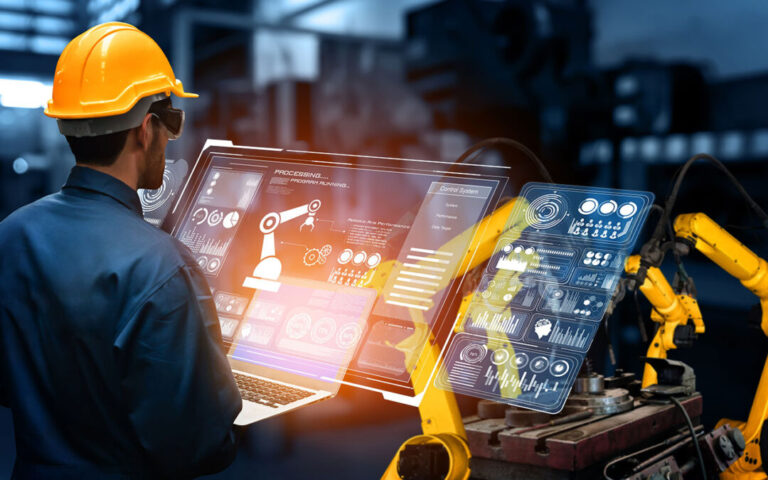
The rise of automation and artificial intelligence has brought efficiency to many industries, but it has also created fear and uncertainty about jobs. Machines can now perform tasks that once required human workers, from manufacturing to customer service. While this can increase productivity, it also leads to job displacement. Many workers struggle to adapt to new roles, especially if they lack the skills required in a technology-driven economy. This widening gap between skilled and unskilled workers can increase social and economic inequality.
Technology Addiction
Another dark aspect of technology is its addictive nature. Many apps and platforms are designed to keep users engaged for as long as possible. Features like endless scrolling, notifications, and algorithm-driven content create a cycle that is hard to break. People often find themselves spending hours on their devices without realizing it. This addiction can affect productivity, sleep patterns, and overall well-being. In extreme cases, it can even interfere with daily responsibilities and personal relationships.
Cybersecurity Threats
Cybersecurity threats are also a growing concern. As more activities move online, the risk of cyberattacks increases. Individuals, businesses, and even governments are targets of hacking, phishing, and data breaches. These attacks can result in financial loss, identity theft, and damage to reputation. The rapid pace of technological development often makes it difficult to keep security measures up to date, leaving systems vulnerable.
Spread of Misinformation
Moreover, technology can contribute to the spread of misinformation. With the rise of digital platforms, false information can spread quickly and widely. People may struggle to distinguish between reliable sources and misleading content. This can influence public opinion, create confusion, and even affect important decisions in society. The speed at which information travels online makes it difficult to control or correct once it has spread.
Conclusion
Despite these challenges, it is important to remember that technology itself is not the enemy. The real issue lies in how it is used. By becoming more aware of its negative effects, individuals can take steps to protect themselves. Setting limits on screen time, being mindful of online behavior, and protecting personal data are simple but effective ways to reduce the risks.
About the Author