Introduction
Technology has become one of the most powerful forces shaping modern life. It is no longer something separate from our daily routine—it is deeply connected to how we live, think, communicate, and work. From smartphones and artificial intelligence to online education and digital payments, technology is changing real life in ways that were unimaginable just a few decades ago. While these changes bring many benefits, they also raise important questions about how much we are adapting to technology and how much it is shaping us in return.
Transformation in Communication
One of the biggest changes technology has brought is in the way we communicate. In the past, people relied on letters or face-to-face meetings to stay connected. Today, communication happens instantly through messaging apps, video calls, and social media platforms.
This instant connectivity has made it easier to maintain relationships across long distances. Families can talk to each other in real time, even if they are living in different countries. However, this shift has also changed the quality of communication. Many conversations have become shorter and less personal, often replaced by emojis, texts, and quick replies. While communication is faster, it sometimes lacks emotional depth.
Impact on Education and Learning
Technology has completely transformed education. Students are no longer limited to textbooks and classrooms. The internet provides access to unlimited information, online courses, tutorials, and digital libraries.
Learning has become more flexible and personalized. Students can study at their own pace and explore subjects beyond their syllabus. During global situations like pandemics, online learning platforms made education possible even when schools were closed.
However, this shift also brings challenges. Not all students have equal access to technology, creating a digital divide. Additionally, the easy availability of information can sometimes reduce deep learning and critical thinking if used without discipline.
Changes in Work and Employment
The workplace has also changed dramatically due to technology. Many jobs are now digital, and remote work has become common. People can work from home, attend virtual meetings, and manage global projects using online tools.
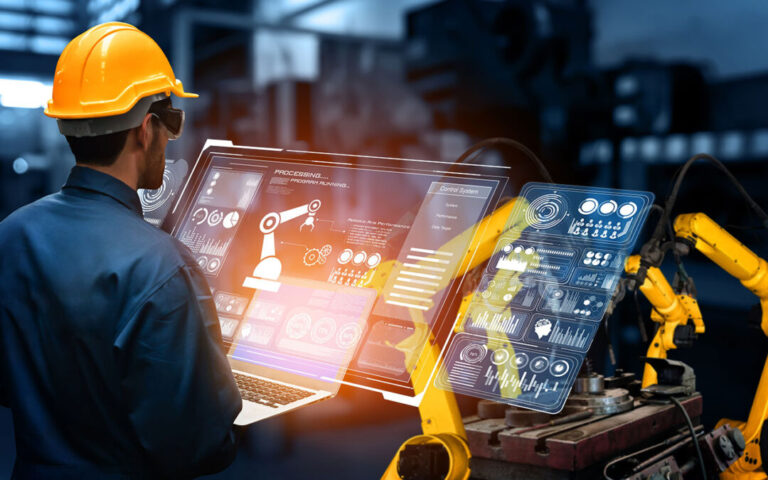
Automation and artificial intelligence have increased efficiency in industries such as manufacturing, finance, and customer service. Tasks that once required human effort are now performed by machines and software systems.
At the same time, this shift has created fear of job loss for many workers. Some traditional jobs are disappearing, and new skills are required to stay relevant in the modern job market. This creates pressure for continuous learning and adaptation.
Influence on Daily Lifestyle
Technology has deeply changed our daily lifestyle. Smartphones, smart devices, and online services have made everyday tasks easier and faster. People can shop online, order food, pay bills, and access entertainment with just a few clicks.
Navigation apps help people travel without confusion, and smart home devices allow control of lights, security, and appliances remotely. Life has become more convenient than ever before.
However, this convenience also comes with dependency. Many people find it difficult to spend even a few hours without their devices. This overuse can reduce physical activity, disturb sleep patterns, and affect mental well-being.
Social Media and Human Behavior
Social media has played a major role in changing real life. It allows people to share their thoughts, experiences, and creativity with a global audience. It has also given rise to new careers such as influencers and digital creators.
But social media also affects human behavior in complex ways. People often compare their lives with others, which can lead to insecurity and stress. The constant need for likes, comments, and validation can impact self-esteem.
In addition, misinformation spreads quickly on digital platforms, influencing opinions and sometimes creating confusion in society.
Health and Psychological Effects
Technology has both positive and negative effects on health. In healthcare, it has improved diagnosis, treatment, and medical research. Advanced machines and digital records have made healthcare more efficient and accurate.
On the other hand, excessive use of technology can lead to health issues. Long screen time can cause eye strain, poor posture, and lack of physical activity. Mentally, overexposure to digital content can lead to stress, anxiety, and reduced attention span.
The Balance Between Progress and Control
The biggest question is whether technology is serving us or controlling us. While it clearly improves efficiency and convenience, it also influences our habits, decisions, and time management. Many people unknowingly spend hours online without realizing how much control technology has over their attention.
The key is balance. Technology should remain a tool that supports human life, not something that dominates it. Responsible use, time management, and digital awareness are essential to maintaining control.
Conclusion
In conclusion, technology is deeply changing real life in every possible way—communication, education, work, health, and social behavior. It has made life more advanced, connected, and efficient, but it has also created new challenges such as dependency, privacy concerns, and social changes.
About the Author