In today’s digital age, social media has become an inseparable part of our daily lives. From the moment we wake up to the last minutes before we sleep, we scroll through perfectly curated feeds filled with smiling faces, luxurious vacations, success stories, and seemingly flawless lifestyles. At first glance, it all looks inspiring. But beneath this polished surface lies a reality that most people rarely talk about.
Social media is not real life—it is a carefully edited version of it.
One of the biggest truths about social media is that people only share what they want others to see. A person might post a picture of a happy moment, but that single image does not reveal the struggles, stress, or sadness they may be experiencing behind the scenes. A couple might look perfect in photos, yet they could be dealing with serious issues in their relationship. A successful entrepreneur may showcase achievements but hide the failures, sleepless nights, and sacrifices that made that success possible.
This selective sharing creates an illusion of perfection. When users constantly see others living “better” lives, they begin to compare. This comparison often leads to feelings of inadequacy, low self-esteem, and even anxiety or depression. People start to believe they are not doing enough, not achieving enough, or not living a life as exciting as others. What they fail to realize is that they are comparing their real life—with all its ups and downs—to someone else’s highlight reel.
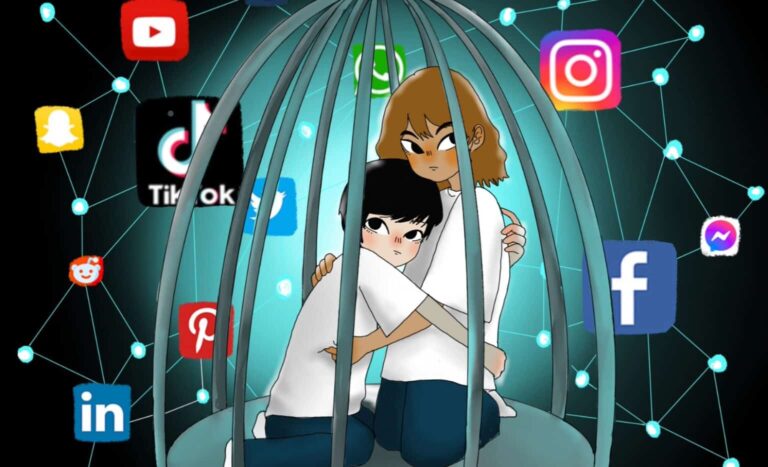
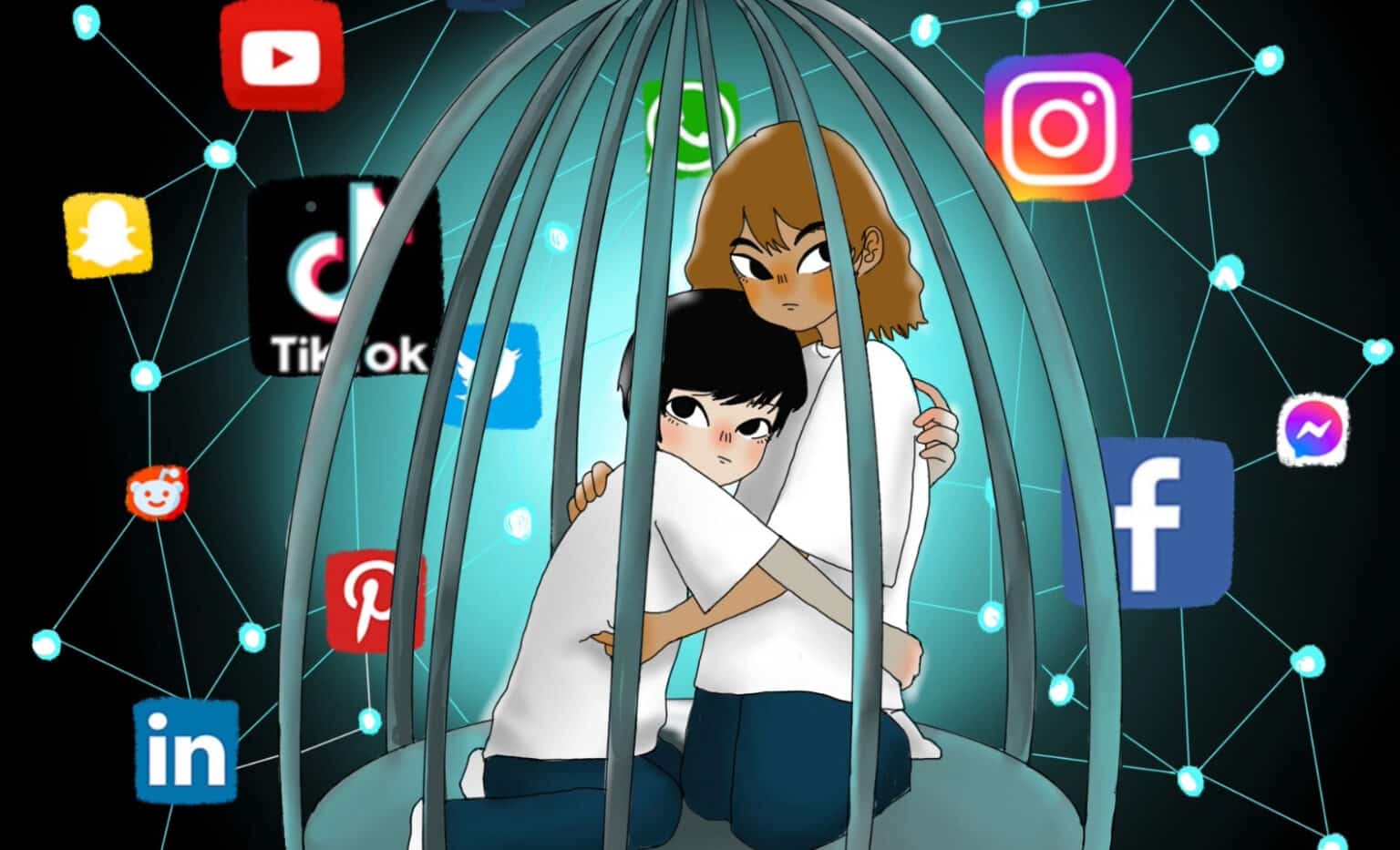
Another important reality is the pressure to appear perfect. Social media platforms encourage users to present the best version of themselves. Filters, editing tools, and carefully chosen captions allow people to create an idealized image. Over time, this can lead to a disconnect between a person’s online identity and their real self. Some individuals may even feel trapped, constantly trying to maintain an image that is not entirely true.
This pressure is especially strong among young people. Teenagers and young adults often measure their worth based on likes, comments, and followers. A post that doesn’t perform well can affect their mood or confidence. Instead of focusing on real-life growth and relationships, they may become more concerned with online validation.
The Hidden Side: Hardships Behind the Screen
What social media rarely shows is the hardship behind every success story. The influencer posting travel pictures may be dealing with financial pressure or burnout. The student sharing good grades may have gone through sleepless nights, stress, and fear of failure. Even content creators who seem confident may struggle with criticism, hate comments, and constant pressure to stay relevant.
There is also the mental exhaustion that comes from always being “online.” Many people feel the need to constantly check notifications, respond to messages, and stay updated. This can reduce focus, disturb sleep, and increase stress levels. The fear of missing out (FOMO) makes people feel like they are always behind, even when they are doing just fine in their own lives.
Moreover, social media can sometimes damage real relationships. People may spend more time on their phones than with family and friends sitting right next to them. Conversations become shorter, attention spans decrease, and genuine connections weaken. In real life, relationships require time, effort, and presence—things that cannot be replaced by likes or emojis.
Finding Balance and Reality
Despite these challenges, social media is not entirely bad. It connects people, spreads awareness, and provides opportunities for learning and growth. The key is balance. Users need to remind themselves that what they see online is only a small part of reality.
Real life is unfiltered. It includes failure, rejection, growth, and learning. It is not always beautiful or exciting, but it is real and meaningful. True happiness comes from personal growth, strong relationships, and self-acceptance—not from digital approval.
To live a healthier life, it is important to limit screen time, focus on real-world experiences, and be mindful of how social media affects your emotions. Following positive and authentic content can also make a difference.
About the Author