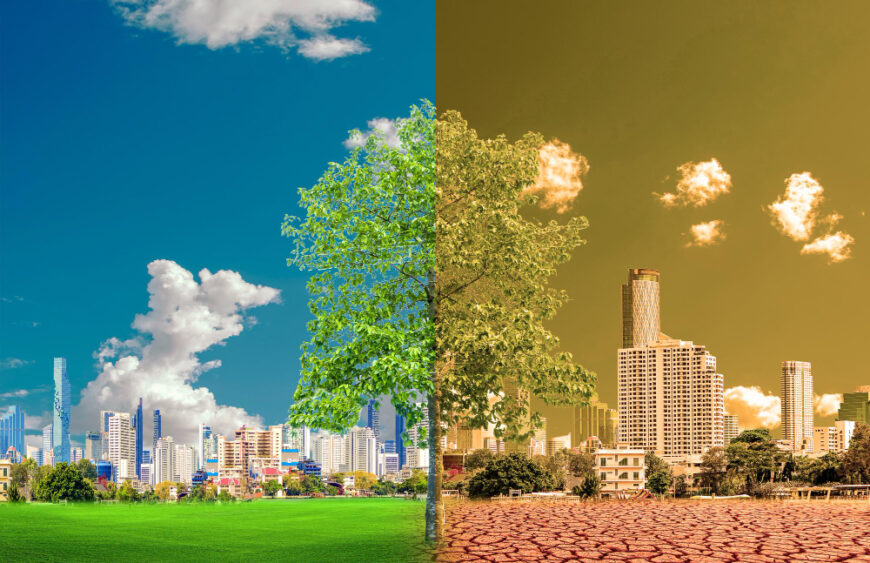
The environment is the foundation of life on Earth. It provides the air we breathe, the water we drink, and the resources we use every day. However, the reality of the environment today is becoming increasingly concerning. Climate change, pollution, and environmental degradation are no longer future threats—they are present challenges affecting ecosystems, economies, and human life across the globe. Understanding these issues is essential for building a sustainable future.
Climate Change: A Growing Global Crisis
Climate change is one of the most serious environmental challenges of the 21st century. It refers to long-term changes in temperature, weather patterns, and climate systems, largely caused by human activities. The burning of fossil fuels such as coal, oil, and gas releases greenhouse gases into the atmosphere, trapping heat and causing global temperatures to rise.
The effects of climate change are already visible. Rising sea levels threaten coastal cities and small island nations. Heatwaves are becoming more frequent and intense, while unpredictable weather patterns lead to floods, droughts, and storms. These changes not only damage infrastructure but also disrupt agriculture, water supply, and food security.
One of the most alarming aspects of climate change is its long-term impact. Even small increases in global temperature can have serious consequences for ecosystems and biodiversity. Scientists warn that without immediate action, the effects will become irreversible, affecting future generations.
Pollution: A Silent Threat
Pollution is another major environmental issue that continues to grow. It comes in many forms, including air pollution, water pollution, and soil contamination. Industrial activities, vehicle emissions, plastic waste, and chemical usage are among the leading causes.
Air pollution is particularly dangerous in urban areas. Harmful gases and particles released from factories and vehicles contribute to respiratory diseases, heart problems, and other health issues. Many cities around the world experience smog, reducing visibility and affecting the quality of life.
Water pollution is equally concerning. Rivers, lakes, and oceans are being contaminated by industrial waste, sewage, and plastic debris. Marine life is severely affected, with many species struggling to survive in polluted waters. Plastic waste, in particular, has become a global crisis, with millions of tons entering the oceans every year.
Soil pollution also impacts agriculture and food safety. Chemicals and waste materials reduce soil fertility, making it harder to grow healthy crops. This directly affects food production and the livelihoods of farmers.
Deforestation and Loss of Biodiversity
Deforestation is another critical environmental issue. Large areas of forests are being cleared for agriculture, urban development, and industrial use. Forests play a vital role in maintaining ecological balance by absorbing carbon dioxide and producing oxygen. When trees are cut down, this balance is disrupted.
The loss of forests also leads to habitat destruction, forcing many animal species to become endangered or extinct. Biodiversity—the variety of life on Earth—is declining at an alarming rate. This loss weakens ecosystems and reduces their ability to recover from environmental changes.
Protecting forests and wildlife is essential for maintaining a healthy planet. Conservation efforts, reforestation projects, and sustainable land use practices are important steps toward addressing this issue.
Human Impact on the Environment
Human activities are the primary cause of environmental degradation. Industrialization, urbanization, and population growth have increased the demand for natural resources. While development is important, it often comes at the cost of environmental damage.
Excessive consumption of energy, water, and raw materials has placed immense pressure on the planet’s resources. Waste generation has also increased significantly, with many countries struggling to manage garbage and recycling systems effectively.
However, awareness about environmental protection is also growing. More people are recognizing the importance of sustainable living and responsible consumption. Small changes in daily habits, such as reducing plastic use, conserving water, and using renewable energy, can make a significant difference.
Climate Action and Global Efforts
In response to environmental challenges, governments and organizations around the world are taking action. International agreements like the Paris Climate Agreement aim to reduce greenhouse gas emissions and limit global warming.
Renewable energy sources such as solar, wind, and hydro power are being promoted as alternatives to fossil fuels. These energy sources are cleaner and more sustainable, helping to reduce environmental impact.
Many countries are also investing in green technologies, electric vehicles, and eco-friendly infrastructure. Environmental education and awareness campaigns are encouraging individuals to adopt more sustainable lifestyles.
The Future Risks Ahead
If environmental issues are not addressed urgently, the future could be very challenging. Scientists predict that rising temperatures, extreme weather events, and resource shortages may become more severe. Food and water insecurity could affect millions of people, leading to migration and social instability.
Ecosystems may collapse if biodiversity continues to decline. Oceans could become more polluted, and natural disasters may increase in frequency and intensity. These risks highlight the urgent need for collective action.
Conclusion
The reality of the environment today is both concerning and urgent. Climate change, pollution, and environmental degradation are not distant problems—they are happening now and affecting every part of the world. However, there is still hope.
About the Author