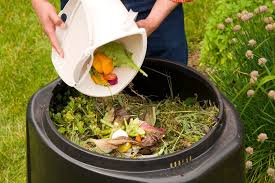
Composting at home is often seen as something only people with large gardens can do. But the truth is, even if you live in a flat or have a tiny outdoor space, you can turn your food waste into nutrient-rich compost. With rising awareness about food waste and the environmental impact of sending organic matter to landfills, home composting has never been more relevant in the UK. This guide covers practical methods, tips, and realistic approaches to composting in small spaces — without turning your home into a smelly experiment.
Why Composting Matters
Composting reduces the amount of organic waste sent to landfill, where it produces methane — a potent greenhouse gas. Instead, composting turns food scraps, garden trimmings, and other biodegradable items into a soil amendment that enriches plants, improves soil structure, and helps retain moisture. In the UK, where food waste still represents a significant portion of household rubbish, composting at home can make a real environmental difference.
Understanding the Basics of Composting
Composting is essentially the decomposition of organic materials by microbes, worms, and other organisms. Successful composting requires three main elements:
- Greens — nitrogen-rich materials like fruit and vegetable scraps, coffee grounds, and tea leaves.
- Browns — carbon-rich materials like shredded paper, cardboard, dead leaves, and small twigs.
- Moisture and Air — compost needs to be slightly damp and aerated regularly to allow microbes to work effectively.
Balancing these ingredients is key. Too much greens can make the compost smelly; too many browns can slow decomposition.
Choosing the Right Composting Method for Small Spaces
For flats or small gardens, traditional compost heaps may not be practical. Fortunately, there are several space-friendly options:
1. Indoor Bokashi Composting
Bokashi is a fermentation-based composting system. You add food scraps — including cooked food and dairy — to a sealed container with special Bokashi bran that contains beneficial microbes. After about two weeks, the fermented material can be buried in soil or added to a small garden compost bin.
Pros:
- Works indoors, odour-free if done correctly
- Accepts a wider range of food scraps than traditional compost
Cons:
- Requires the purchase of Bokashi bran
- Needs a separate bin or soil for the second stage
2. Worm (Vermicomposting) Bins
Worm bins are ideal for flats. They use red wiggler worms to break down food waste quickly. You add food scraps in layers with bedding material (shredded newspaper, cardboard, or coconut coir), and worms convert it into rich compost known as worm castings.
Pros:
- Compact and manageable indoors
- Produces high-quality fertiliser for plants
Cons:
- Needs careful management of moisture and feeding
- Not suitable for very large quantities of food waste
3. Tumbler Bins or Small Outdoor Compost Bins
If you have a small garden or balcony, a compact compost bin or tumbler can work well. Tumblers make turning compost easier, which speeds up decomposition. Even a bin as small as 100–200 litres can handle kitchen scraps from a couple of people.
Pros:
- Keeps compost contained and tidy
- Faster decomposition due to easy turning
Cons:
- Needs some outdoor space
- Can become heavy when full
What You Can and Cannot Compost
Green materials (nitrogen-rich):
- Fruit and vegetable scraps
- Coffee grounds and tea bags (without plastic)
- Eggshells
- Bread and grains
Brown materials (carbon-rich):
- Shredded paper or cardboard
- Dead leaves or twigs
- Sawdust from untreated wood
Avoid:
- Meat, fish, and oily foods (unless using Bokashi)
- Dairy in traditional compost
- Diseased plants or weeds with seeds
- Plastic, metals, or glass
Practical Tips for Flat or Small Garden Composting
- Start small — begin with a single bin or small Bokashi container to avoid overwhelm.
- Layer greens and browns — this prevents odours and helps decomposition.
- Chop or shred larger scraps — smaller pieces break down faster.
- Maintain moisture — compost should feel like a damp sponge, not wet or dry.
- Turn or stir regularly — this aerates the compost and speeds up the process.
- Keep a lid or cover — reduces pests and odours, especially in flats.
- Use a tray or mat indoors — prevents mess when collecting scraps for indoor bins.
- Monitor temperature — compost works best between 20–40°C.
Using Compost in Small Spaces
Even in a flat, compost has practical uses:
- Potted plants — mix compost with potting soil for indoor plants or balcony containers.
- Herb gardens — enrich soil for kitchen herbs.
- Community gardens — if you don’t have outdoor space, donate compost to local allotments or community gardening projects.
Dealing With Common Issues
Smelly Compost: Usually caused by too many greens or lack of aeration. Add browns and turn the compost.
Fruit Flies: Ensure scraps are buried under browns or covered with a layer of soil. Keep bins sealed indoors.
Slow Decomposition: Chop food scraps finer, maintain moisture, and check the green-to-brown ratio.
Worm Problems: In vermicomposting, ensure worms have enough bedding and aren’t exposed to extreme temperatures or overly acidic food scraps.
Benefits of Home Composting in Flats or Small Gardens
- Environmental Impact: Reduces household waste going to landfill.
- Cost Savings: Less need for chemical fertilisers.
- Soil Health: Produces nutrient-rich compost for plants.
- Convenience: Reduces trips to public composting facilities or waste bins.
- Mindful Living: Encourages a sustainable, conscious lifestyle.
Final Thoughts
Composting at home, even in a flat or small garden, is achievable and highly rewarding. With the right system — Bokashi, worm bins, or compact outdoor bins — and a few simple habits, anyone can turn food waste into valuable compost. Start small, monitor moisture and layers, and adapt the method to your space. Over time, you’ll reduce waste, improve plant health, and contribute positively to the environment.