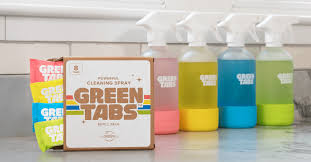
As households in the UK strive to reduce plastic waste and cut down on harmful chemicals, refillable cleaning brands have become more than a trend — they’re becoming mainstream. The number of people wanting effective cleaning products that don’t harm the planet has pushed brands to step up. In 2025, several refillable and eco‑friendly cleaning brands stand out for their reliability, availability, and genuine results. Below is a detailed, human‑style guide to some of the best refillable cleaning brands you can trust — what they do well, where they fall short, and which might suit your home best.
What Makes a Refillable Cleaning Brand “Good”
When I think about a refillable cleaning brand I’d recommend, a few things matter:
- The ability to refill containers (or supply large-format refills) so you’re not constantly buying new plastic bottles.
- Use of plant‑based, cruelty-free, non‑toxic ingredients.
- Real cleaning performance — no point in being “eco” if your bathroom’s still grimy.
- Transparency about supply, packaging, and environmental credentials.
- Availability and reasonable price — a brand that requires expensive imports or niche shops only loses out for most people.
With that in mind, here are some of the top refillable cleaning brands active in the UK right now.
Top Refillable & Eco‑Friendly Cleaning Brands in the UK (2025)
Ecover
- Ecover is a long‑standing name — with more than 700 refill stations across the UK.
- They offer refills for washing-up liquid, laundry detergent, surface cleaners, and more — letting you reuse the same bottles many times.
- Their formulas are plant-based, biodegradable and generally milder than standard chemical cleaners — suitable for everyday cleaning and families with children or pets.
- Because refill bottles and pouches are widely available (in supermarkets and health‑food stores), it’s easy to integrate Ecover into regular household shopping.
- Best for: those seeking a convenient, widely‑available eco‑cleaning brand that balances effectiveness with sustainability.
Bio-D
- Bio-D has built a strong reputation for eco‑cleaners that are effective, affordable, and accessible.
- Their products cover laundry detergents, surface cleaners, washing-up liquids and more — often sold in larger containers or “economy” formats that reduce packaging waste.
- Their formulas are plant-based, vegan-friendly, cruelty‑free, and they avoid harsh chemicals — making them a good choice for people sensitive to strong detergents.
- Best for: those who want a solid balance of eco‑credentials, cost-effectiveness and cleaning power, often on a budget.
Method
- Method offers eco‑cleaners in 100% recycled plastic bottles and provides refill‑friendly large-format and concentrated cleaners.
- Their cleaning products — especially multi-purpose and antibacterial surface cleaners — are plant‑based and often come with pleasant natural scents, making everyday cleaning a less harsh experience.
- While they may be a bit pricier than some basic brands, their formula and packaging design make them a good fit for households wanting both aesthetics and eco‑conscious cleaning.
- Best for: those who care about both the look of their home, pleasant scents and want a middle‑ground between performance and sustainability.
OceanSaver
- OceanSaver takes a more minimalist approach: some of their cleaning options use drops or concentrate tablets rather than bulky liquids — reducing plastic and shipping weight.
- Their refillable or minimal‑packaging products aim to avoid single‑use plastics; good for people trying to cut down waste as much as possible.
- Especially helpful if you already have spray bottles and just want to “top up” rather than constantly buying new containers.
- Best for: zero‑waste households, minimalists, or those reducing single‑use plastics aggressively.
Miniml (and similar small/zero‑waste focused brands)
- Miniml and brands like it (small-batch, zero‑waste‑oriented) offer closed‑loop refill systems — you can reuse bottles, return larger containers, reducing waste drastically.
- Their product range often includes dish soaps, floor cleaners, multi‑surface sprays, and they avoid harsh chemicals, dyes or artificial fragrances.
- For people interested in a fully sustainable home — from packaging to contents — these smaller brands balance environmental ethics with everyday usability.
- Best for: eco‑conscious homeowners willing to shop niche or boutique brands, and who prioritise minimal environmental impact over brand name.
What to Look Out For — Realistic Trade‑offs
- Some refill stations may be far from where you live — meaning refilling becomes less convenient. For brands like Ecover or OceanSaver, it helps if an accessible refill shop is nearby.
- Prices can be higher than standard supermarket cleaning products — natural ingredients and eco‑packaging tend to be more costly. For some pockets, that’s a barrier.
- Not all “eco” equals “powerful.” Natural detergents sometimes require more elbow grease or longer exposure time — for heavy grease or stubborn stains, performance can be variable.
- Fragrance and personal preferences: many green cleaners lean toward subtle natural scents; if you’re used to strong chemical smells you might find them weaker. But that’s often a trade‑off for better indoor air quality and fewer irritants.
How to Make the Switch — Practical Tips
- Keep one or two refillable bottles around (spray bottle, washing-up bottle) and start with a basic swap — dish soap or multi-surface spray — before replacing all cleaners at once.
- Try a few brands to see which one works best for your home: what works for a small flat may differ from a larger house or garden home.
- Use refill stations or bulk buying — this reduces packaging waste even more than single big bottles.
- Combine refillable cleaners with other eco habits: proper recycling, reducing disposable products, using washable cloths — the cumulative impact is greater.
- Be patient: eco-cleaners sometimes need a little more time or scrubbing, especially for tough grease or scale. But over weeks/months results generally match standard products for everyday cleaning.
Why Refillable Cleaning Matters — Bigger Picture
Switching to refillable cleaning products helps reduce demand for single‑use plastic, decreases chemical runoff into waterways, and lowers the carbon footprint associated with packaging and transportation. For UK households trying to live greener or reduce waste generation, these brands offer a practical way to clean effectively without harming the environment.
As more people make the switch, refill stations expand, refill‑friendly logistics improve, and demand-driven supply becomes better — making eco‑cleaning more accessible and affordable over time.
Final Thoughts
Refillable cleaning brands in the UK have come a long way. From established names like Ecover and Bio-D to niche, zero‑waste-focused creators like Miniml or OceanSaver, there are now realistic, effective options for almost every household. None of these brands are perfect, but many meet the core goals: reduced plastic, safer chemicals, and good cleaning performance.