Across the UK’s expanding EV landscape, one debate keeps resurfacing: is fast charging really better, or are slow overnight chargers still the smarter long-term option? With more public rapid chargers being installed, rising grid demand, and new research hinting at subtle battery impacts, the decision isn’t as simple as it looks on paper. And as EV adoption grows, the question has turned into a practical daily concern rather than a technical one.
Most new EV owners start out thinking faster is always better. Why wait eight hours when a car can refuel in thirty minutes? But talk to long-term EV drivers or technicians, and the story shifts a little. Charging speed affects battery health, running costs, convenience, and even the grid. What we’re seeing now in 2025 is a clearer picture of how both methods fit into everyday UK driving.
Why Fast Charging Became the Go-To Option for New EV Buyers
The biggest appeal of fast charging is obvious. Speed. Public rapid chargers, typically 50kW to 150kW units, can take a battery from roughly 10% to 80% in half an hour. Ultra-rapid chargers go even higher, hitting 250kW or more. For drivers who do long motorway trips or don’t have off-street parking, these chargers are essential. It’s basically the closest experience to traditional petrol station refuelling.
Over the past two years, motorway service stations, supermarkets, and retail parks have massively expanded fast-charging infrastructure. Companies like GRIDSERVE, InstaVolt, bp pulse, and Shell Recharge have been busy upgrading networks. As a result, more drivers see rapid charging as the main solution, especially in cities where home charging isn’t always an option.
Then there’s convenience. For people who use their cars for work, delivery driving, or long-distance travel, slow charging simply doesn’t fit the schedule. So in those scenarios, fast charging feels like the future.
The Downsides People Don’t Usually Talk About
Fast charging has a few hidden trade-offs that new EV owners sometimes discover the hard way. First, it’s more expensive. Public rapid chargers can cost two to three times the price of charging at home overnight. Peak-time rates can go even higher. For drivers watching monthly budgets, that difference adds up quickly.
Second, batteries don’t respond the same way to high-power charging as they do to slow charging. Most manufacturers agree that frequent rapid charging can cause slightly faster degradation over the long term. It’s not dramatic, and modern battery management systems are better at handling heat and voltage fluctuations, but the effect is still there. Think of it like sprinting every day instead of doing regular light exercise. It’s fine in short bursts, but not ideal as a constant routine.
There’s also the waiting issue. Although chargers are getting faster, queues still form—especially at popular stations. Holiday periods and weekend motorway traffic can turn what should be a quick stop into a long wait.
Why Slow Charging Remains the Quiet Winner for Most Households
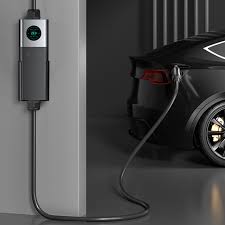
Slow charging, usually through a 7kW home charger, looks a bit old-fashioned compared to ultra-rapid stations, but for daily life it remains the most reliable option. Most UK commutes sit between 10 and 40 miles a day. A 7kW charger adds around 25 miles of range per hour, which means an overnight charge is more than enough for typical use.
The biggest advantage is cost. Off-peak tariffs, especially the EV-friendly plans from Octopus, EDF, OVO, and E.ON, allow drivers to charge at a fraction of the cost of public rapid networks. That difference can easily save hundreds of pounds a year.
Battery longevity also tends to be better with slow, steady charging. The thermal stress is lower, and the battery maintains a more stable state. For drivers planning to keep their car for several years, or purchasing a used EV, this benefit matters more than people expect.
And then there’s the simple convenience of waking up every morning with a full battery. No queues, no searching for chargers, no pricing surprises, and no timing issues. For homeowners with driveways or garages, slow charging is often the easiest part of owning an EV.
The Middle Ground: Many Drivers Mix Both Charging Methods
Realistically, most EV drivers in the UK end up using both methods. Slow charging for regular weekday usage, fast charging for long trips or tight schedules. Manufacturers also design cars with this balance in mind. Modern EVs can comfortably handle regular weekly fast charging, just not constant daily rapid sessions.
Fleet drivers, taxi operators, and delivery vehicles often rely heavily on fast charging, but even they use slower depot chargers overnight when possible. The balance helps save money and reduce battery wear while keeping vehicles on the road.
How Weather and Battery Size Affect the Choice
Cold weather slows down charging speed. Anyone who has tried rapid charging in winter knows the frustration of watching a charger deliver half the expected power. Lithium-ion batteries work best when warm, and if they’re cold, fast charging becomes less efficient. Some EVs have battery preconditioning systems that heat the battery before arriving at a charger, but not all models do.
Battery size also matters. Smaller batteries charge more quickly but lose range faster. Larger batteries offer longer range, but charging them—especially the final 20%—takes more time even on rapid chargers. Drivers with smaller urban EVs often rely more on home charging, while motorway-friendly models like Teslas, Kias, and Hyundais are more comfortable with rapid charging patterns.
How Grid Pressure Is Changing the Charging Conversation
In 2024 and 2025, energy suppliers and regulators began raising concerns about peak grid demand. Fast chargers draw massive amounts of power at once. As the number of EVs rises, so does the strain on the grid. Many energy companies are encouraging slow and smart charging instead, offering cheaper rates for overnight usage.
This push isn’t just environmental—it’s practical. The grid functions more smoothly when demand is spread out rather than hitting spikes. That’s why home chargers now come with smart features, automatically shifting charging to quieter hours unless the driver overrides it.
Fast charging will always play a role, but the grid’s long-term health depends heavily on the UK encouraging slower, scheduled charging sessions.
Choosing What’s Best Depends on Your Lifestyle, Not Just the Technology
The fast vs slow debate isn’t about choosing a winner. It’s about understanding what your daily routine looks like. If you’re a commuter with easy access to off-street parking, slow charging is enough for 90% of your needs. If you’re doing long motorway distances or you don’t have a driveway, fast charging becomes a necessity.
EV owners also tend to develop habits over time. Some become “top-up chargers”, plugging in every night. Others treat charging more like fuelling a petrol car—use it when needed, not every day.
There’s no wrong approach, but making the right decision saves money and reduces long-term battery stress.
Final Thoughts
Fast charging and slow charging each play their role in the UK’s evolving EV landscape. Fast charging delivers convenience and long-distance support, while slow charging offers affordability, better battery health, and easy daily routines. In reality, most drivers end up using both. The key is matching your charging habits to your lifestyle rather than simply choosing the quickest option available. Understanding how each charging method affects cost, convenience, and long-term performance makes EV ownership far smoother, and helps drivers get the most out of their electric vehicles as the market continues to grow.
About the Author