As electric vehicle (EV) ownership climbs across the UK, one question has grown louder every day: how much does it actually cost to keep an EV charged? Fuel prices have soared, public charging networks have expanded, and energy tariffs fluctuate — meaning the cost to “fill up” your electric car can vary wildly depending on where, when, and how you charge. Here’s a deep dive into real-world charging costs in the UK today — and why knowing the difference between home, public slow, fast and rapid charging could save you hundreds of pounds a year.
Home Charging: Usually the Cheapest Option
For most EV owners with access to off-street parking or a driveway, home charging remains the most cost-effective route.
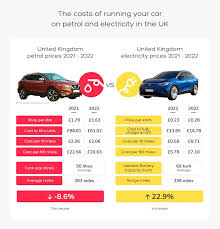
- On a typical domestic electricity tariff — about 26p–29p per kWh — powering up a 60 kWh battery (common size for many mid-range EVs) costs around £15.60 to £17.40 for a full charge.
- Many households now choose smart or off-peak tariffs (often overnight), which dramatically reduce costs. With rates sometimes dropping as low as 7–14p per kWh, a full charge can fall to £5–£8.40.
- That cost per mile makes EVs much cheaper than petrol or diesel — often near 3–4 pence per mile, compared to around 13–17 p per mile for a traditional combustion engine vehicle under current fuel prices.
Because of this, many EV owners treat charging like they do plugging in a phone: they plug in overnight, wake up with a full battery, and never worry about range — all while keeping costs low and predictable.
Public Charging: Good for Flexibility, Costs More
If you don’t have a driveway, or you’re on a journey, public chargers are essential. But convenience comes at a price.
Public charger fees vary significantly depending on the charger type:
* These are rough full-charge estimates; many people top-up partially, so actual costs may be lower.
Public charging remains substantially more expensive than home charging — often 2 to 4 times higher per kWh.
Also, many users report that rapid or ultra-rapid chargers on motorways or service stations hover around £0.75–£1.00 per kWh, depending on provider, time of day, and membership plans — pushing full charges past £45–£60.
What Drives Charging Costs — And Why They Fluctuate
Charging cost isn’t fixed. Several factors influence how much you end up paying:
- Electricity tariff and time of charging: Off-peak or overnight tariffs dramatically reduce per-kWh cost, while daytime rates are often higher.
- Battery size of your EV: A bigger battery means more kWh needed to fill — and higher total cost.
- Charger power and type (home, slow, rapid, ultra-rapid): Faster chargers cost more per kWh.
- Location and network operator: Motorway chargers, or popular networks, often charge premium rates; suburban or less central chargers may be cheaper.
- Membership plans or subscriptions: Some networks or energy providers offer lower rates for members or off-peak users.
Because of all these variables, your real-world cost to charge can swing widely — from a handful of pounds for a home top-up to £50 or more for a rapid motorway refill.
What That Means Over a Year
Depending on your driving habits, source of charging and electricity rates — the annual cost to charge an EV can differ dramatically:
- If you mainly charge at home on a smart overnight tariff → many UK EV drivers report £200–£400 per year on electricity for 10,000–12,000 miles.
- If you rely heavily on public rapid chargers — especially frequent motorway trips — costs can climb to £1,000–£1,800+ per year.
That’s a massive difference — and likely the biggest financial incentive to install a home charger or sign up to a smart-tariff EV plan.
When Might Public Charging Still Make Sense
Even if it’s more expensive, public charging fills important gaps:
- Long-distance travel or road trips — when you’re far from home and need a quick top-up to reach your destination.
- No access to home charging — for renters or flat-dwellers without dedicated parking, public chargers are often the only option.
- Unexpected range needs — extra mileage, detours, or sudden change of plans may force you onto public networks.
For those scenarios, public chargers offer flexibility — but it’s worth budgeting carefully for the extra cost, and using them only when necessary.
Tips UK EV Owners Use to Keep Costs Down
Based on how many EV owners behave now, here are some practical lessons:
- Use a home wallbox and charge overnight when electricity is cheapest.
- Switch to a smart EV-tariff from providers like Octopus, OVO, British Gas
- Use public charging sparingly, mainly for long trips or emergencies — avoid routine dependence on expensive rapid chargers.
- Combine partial charging with route planning: For example, fill to 80% only if you know a cheaper charger lies ahead.
- Consider battery size vs range — if your daily mileage is low, a smaller battery may cost less overall.
Why Charging Cost Still Matters (Even with Falling Battery Prices)
With battery costs falling and EV prices gradually dropping, running costs remain one of the main factors affecting how people feel about EV ownership. If charging becomes too expensive — especially for people without home access — it undermines one of the biggest advantages of EVs.
Plus, fluctuating electricity prices, increasing demand, and rising public charger fees could erode the long-term savings many EV buyers expected. For those who chose based on low “fuel” cost, keeping a close eye on real-world charging expenses is becoming essential.
Understanding charging costs helps drivers estimate not just daily running expenses — but overall cost of ownership, resale value, and long-term savings compared with petrol/diesel cars.
Final Thoughts
Charging an EV in the UK can be cheap, or it can get pricey. It depends — on your home setup, how often you drive, whether you rely on public infrastructure, and when you plug in. For many EV owners with a driveway and an overnight tariff, charging costs remain a fraction of what petrol or diesel would cost. That makes EV ownership easy, economical, and predictable. For others — renters, flat dwellers, or frequent motorway travellers — public charging remains a necessary but costly tool. If you have the ability to charge at home and choose a good tariff, that almost always gives the best value. But for occasional trips or emergencies, public charging fills a vital gap. Understanding these cost dynamics helps you get the most out of your EV — without nasty surprises at the charging point.