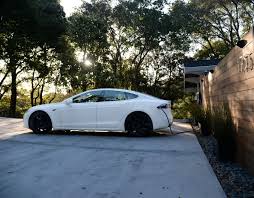
As electric vehicles continue climbing in numbers across the UK, a quiet but important shift is happening in the background. More renters, flat owners, and even landlords are turning their attention to government-backed EV home charger grants. And with new funding commitments running through 2026, the scheme is becoming a central talking point among people planning to buy an EV but unsure about installation costs. It’s one of those areas where the rules changed quietly, leaving many homeowners confused about what they can claim and what’s no longer available. So an updated, deeper look is more needed than ever.
The push toward cleaner transport, mixed with unpredictable public charging prices, has made home charging feel essential rather than optional. But the problem comes up quickly: installing a home charger isn’t cheap, especially for people living in flats or rented spaces. And that’s exactly where the UK’s grant schemes, now restructured under the Electric Vehicle Chargepoint Grant, step in.
Why the EV Charger Grants Became a Hot Topic Again
A few years ago, almost any homeowner with a driveway could get financial help for installing a charger. That older version of the scheme closed in 2022, something many people still don’t realise. The newer grant focuses more on groups who actually face barriers—people who don’t own a house, people who share parking areas, or residents who rely on on-street parking. It’s a strategic shift, and honestly, a fair one. Installing a charger in a typical suburban home is usually straightforward. But for someone living in an upstairs flat with a shared car park, it becomes a completely different story.
The government’s reasoning is simple: if EV use is going to be widespread, support has to go where the obstacles are. As a result, the grant now pushes money toward renters, flat owners, and landlords upgrading entire blocks or car parks.
Who Can Apply and Who Usually Gets Left Out
From the outside, the grant system looks a bit complicated, but it becomes clearer when you break down the categories. Renters and people who own flats with private parking can claim up to £350 toward buying and installing a home charger. Landlords can claim for multiple properties, and even apply for infrastructure support—cabling, wiring, and preparatory work for several parking spaces.
The surprise comes for regular homeowners. Someone who owns a house with a standard driveway cannot claim the grant anymore. And that catches many people out. Social media is full of short clips and posts still referring to the old scheme, which didn’t distinguish between homeowners and renters. But the current rules are firm: the grant is now targeted, not universal.
There’s also a version of the grant aimed at households using on-street parking. It revolves around something called “cross-pavement charging”, where a cable management system allows safe connection from the home to the vehicle without blocking pedestrian pathways. Local councils have a say here, which makes the process a bit slower, but it does open the door for people who previously had no chance of installing any sort of home charger.
How the Application Process Really Works
A lot of people imagine the grant works like a refund. But it doesn’t. You can’t buy a charger and then claim the money yourself. Everything flows through an approved installer. They assess the property, confirm eligibility, handle the paperwork, and claim the grant after installation. That means the grant simply reduces the final bill for the customer. In most cases, the customer only pays the remaining amount after the discount is applied.
The approval steps look something like this. First, the installer checks whether the applicant qualifies. If it’s a rental property, they’ll ask for written permission from the landlord. If it’s a flat, they may need proof of parking rights. The installer also has to confirm the car model on order or already owned, as the scheme only supports approved low-emission vehicles. After that, the installer submits the application, waits for confirmation, completes the installation, and then claims the grant directly from the government.
For landlords applying for multiple properties, it gets a bit more administrative. They must register themselves through a separate landlord registration portal, then apply property by property. But the payoff is bigger, especially when installing infrastructure for future tenants.
What the Grant Actually Covers and Why Some Installations Still Cost More
The grant offers up to £350 per charging socket. Most homes only need one, though landlords can apply for several at once. But here’s where people sometimes feel caught off-guard. The grant only covers part of the cost. A typical installation today can range anywhere from £800 to £1,200 depending on property layout and wiring conditions. If the consumer unit needs upgrading, if the cable run is long, or if the building requires special earthing protection, the price climbs. The grant helps, but it won’t make the installation free.
This is especially noticeable in older flats. Many blocks built in the 70s and 80s don’t have modern wiring for outdoor charging infrastructure, which means additional electrical work. That’s one reason the government added infrastructure grants for landlords. Without that extra layer of support, hardly any shared car parks would get chargers at all.
Why the Scheme Changed and What It Suggests About the Future
If you look at the scheme from a national perspective, the logic becomes clearer. The government realised early adopters—people living in detached or semi-detached houses—were going ahead with installations anyway. They didn’t really need subsidies to make the final decision. The real obstacle was among people who lived in denser housing areas, where installing chargers wasn’t simple or cheap.
By shifting the grant toward renters, flat residents, and on-street households, the government essentially acknowledged the next phase of EV adoption. If electric cars are going to be mainstream, the infrastructure must be accessible to people beyond typical suburban homes.
This also hints at a future where more councils support cross-pavement charging systems, shared charging bays in residential blocks, and upgraded wiring for old developments. It’s slow progress, but the path seems clearer now compared to a few years ago.
Common Misunderstandings About the Grant
The biggest misconception is that homeowners can still claim the old grant. They can’t. And many find this out only after contacting an installer. Another misunderstanding is assuming all chargers qualify. Only OZEV-approved models can be used in the grant scheme, so the installer will guide homeowners toward specific brands.
There’s also confusion around EV orders. Some people think they must already own an EV before applying. But the rules allow applications with a confirmed order, as long as you can show documentation. This helps people who want the charger ready the moment the car arrives.
Are the Grants Worth It? Most People Say Yes, If They Qualify
When you look at the numbers, the grant isn’t huge compared to the overall cost, but for many households it makes a key difference. For renters, it often means convincing the landlord to approve the installation. For flat owners, it reduces the financial burden of making shared spaces EV-friendly. And for landlords, it helps future-proof their buildings in a market increasingly shaped by electric mobility.
Even with limitations and a bit of paperwork, most people who qualify consider it worthwhile. And as EV sales continue rising, these grants are becoming part of everyday discussions about switching to electric.
Final Thoughts
EV home charger grants in the UK are no longer a simple one-size-fits-all support scheme. They now target the groups who face the steepest challenges in getting home chargers installed. Renters, flat owners, on-street households, and landlords benefit the most, while traditional homeowners with driveways are mostly outside the scheme now. Even so, the grants remain an important stepping stone toward fair access to home charging. For anyone thinking of moving to an electric vehicle, understanding how these grants work—and whether you qualify—can make the transition far smoother and far more affordable.
About the Author