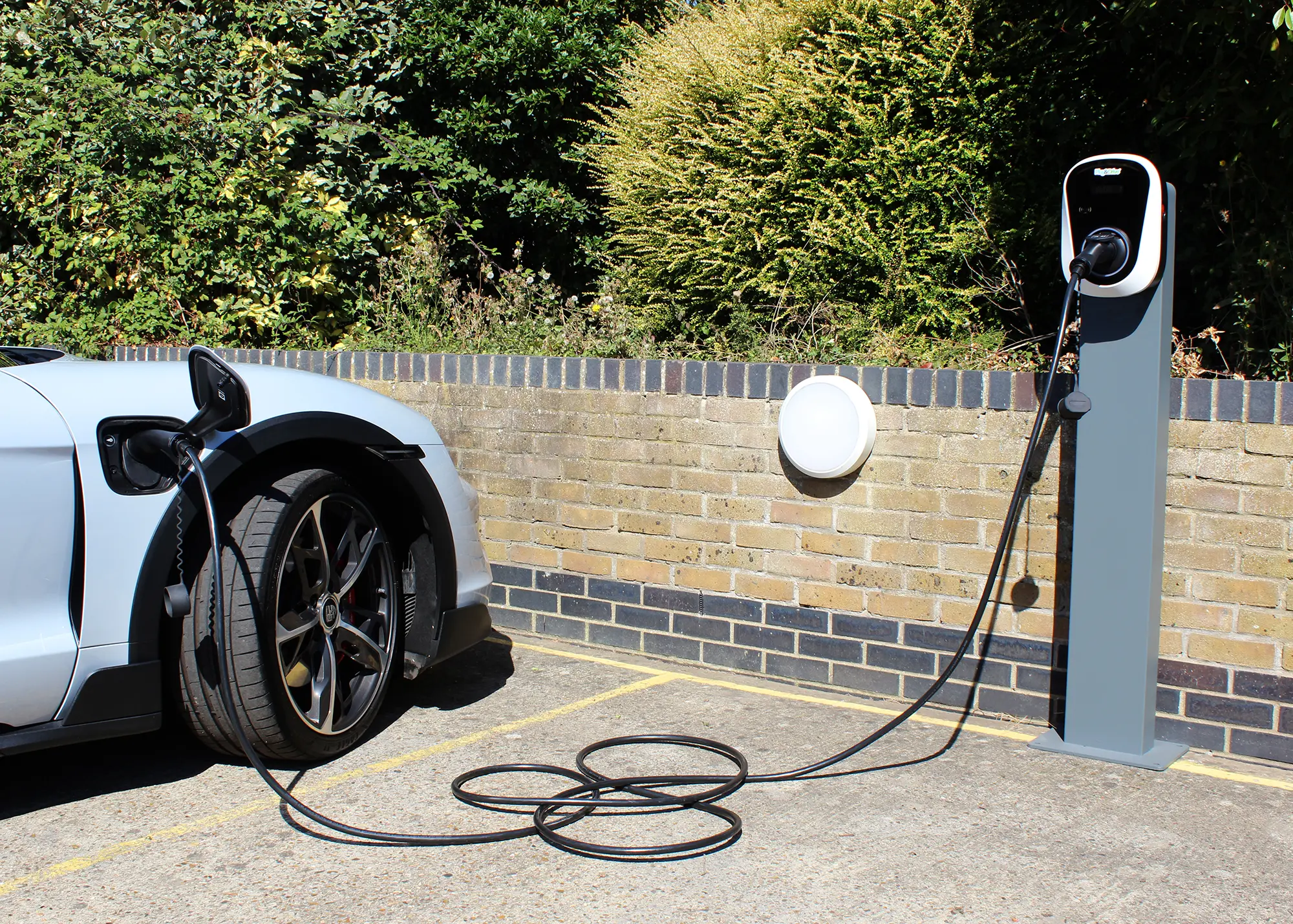
As electric vehicles continue to rise across the UK, more homeowners are now looking at home-charging as a practical, long-term solution. It’s cheaper, it’s faster than relying on public stations, and honestly, it just removes the everyday stress of “Will the charger even be free when I get there?” But installing an EV charger at home isn’t just a plug-and-play job. There’s a bit of planning, some legal boxes to tick, and a few technical details that people often overlook. With the government introducing updated safety guidelines and smart-charging requirements, the process matters more than ever.
Here’s an in-depth look—human, slightly imperfect, and genuinely helpful—at how UK homeowners are getting chargers fitted, what they need to know, and why 2025 might be the busiest year yet for home EV installations.
Why Home Charging Is Becoming the New Normal in the UK
If you follow transport news even casually, you’ve probably noticed how the national shift to electric cars isn’t slowing down. New registrations continue to climb, and energy companies are promoting cheaper overnight charging tariffs. The government’s push for smarter, safer, grid-friendly EV charging has also nudged more people toward installing their own wallbox units.
Home charging solves a lot of everyday issues. It eliminates long queues at motorway service stations. It cuts running costs drastically. And for people living in suburban and semi-urban areas, it transforms daily EV usage into something easy and predictable. So naturally, homeowners want a system that works at their own pace, on their own schedule.
Checking Your Home’s Electrical Capacity Before Anything Else
A common mistake people make—thinking any house can instantly support a 7kW charger without adjustments. Not always true. UK homes vary wildly in wiring age, main fuse size, and overall capacity. Many properties built before the 1990s simply weren’t designed for today’s heavier electrical loads.
Most installers start by checking the main fuse rating. A 60A fuse may need upgrading to 80A or 100A. Energy providers like UK Power Networks and Scottish Power can handle upgrades, but it may take a little time. The installer will also assess the consumer unit, making sure there’s room for an RCBO or RCD, depending on what the charger requires. Some older fuse boards end up needing a full replacement before installation can even proceed. It’s not what homeowners want to hear, but it’s part of staying safe and compliant.
Smart Charging Rules Now Apply Almost Everywhere
Since new government regulations came into effect, nearly all home chargers sold in the UK must include smart functionality. That means load balancing, scheduled charging, remote control through an app, and the ability to delay charging during peak demand. While some people initially complained about these features, they’ve quickly become helpful—especially with energy bills rising. With smart charging, homeowners typically set the charger to draw power overnight when rates drop.
It’s also important because power networks are adapting to rising EV demand. Smart chargers reduce strain on the national grid during busy evening hours. If a household uses multiple high-load appliances at once, load balancing helps prevent tripping or overloads by adjusting the EV charger’s output automatically.
Choosing the Right Type of EV Charger for Your Home
Most UK homeowners choose a 7kW single-phase charger. It balances speed with compatibility and is perfectly suited to typical UK home electrical systems. A 22kW unit may look attractive on paper, but it requires a three-phase connection, and most residential properties don’t have one. Upgrading to three-phase just for EV charging is possible but expensive.
Some chargers come tethered, meaning the cable is permanently attached. Others are untethered, using a detachable Type 2 cable. Tethered models offer convenience. Untethered options look cleaner and reduce clutter. The choice depends on homeowner preference, though news around rising cable thefts in certain areas has pushed some people toward tethered models again.
Weatherproof ratings matter too, especially since many UK driveways face wind, rain, or salt exposure in coastal regions. Most reputable chargers come with an IP65 or IP66 rating, which is generally enough to handle the British climate.
OZEV Grants and Whether They Still Apply
The old government grant for homeowners has been phased out. Many people still think they can claim the £350 support, but it now only applies to landlords, flat residents, and people in rental or social housing. For typical homeowners, the cost is fully out-of-pocket. Still, installers often spread payments or include extended warranties to make the investment easier.
For landlords or people living in flats with shared parking, the OZEV grant can still lower the installation cost. Installers usually handle the paperwork, which avoids most of the confusion for applicants.
The Actual Installation Process—What Happens on the Day
A typical installation takes about three hours, sometimes longer if the cable run is complicated. Installers drill through an exterior wall, mount the charger, and connect it securely to the consumer unit using armored cable. Earthing arrangements differ depending on the type of electrical supply. Modern chargers use PEN fault protection, which eliminates the need for a ground rod in most cases.
After wiring, installers test the charger, check the load management functions, and run through the app setup with the homeowner. Once it’s live, they provide paperwork for certification and compliance. The installation also must be reported to the DNO (Distribution Network Operator). Most installers do this automatically, although the approval can happen either before or after the installation depending on the region.
Costs and What Most Homeowners End Up Paying
On average, UK homeowners pay between £800 and £1,200 for a standard charger installation in late 2025 prices. Complicated installations—like long cable runs or fuse upgrades—can push costs higher. The price differences mostly come from brand selection, cable length, and any electrical modifications required.
Despite occasional complaints about rising installation costs, most EV owners still consider it a worthwhile long-term investment. Public charging remains more expensive per kWh, and busy cities often see high surge-pricing or time limits at charging stations.
Common Mistakes Homeowners Should Avoid
Many people rush into buying the cheapest charger without checking compatibility, warranty, or smart-charging updates. Others forget to check Wi-Fi coverage near the driveway, which can affect app control and firmware updates. Another mistake is ignoring future-proofing. With vehicle battery capacities increasing, choosing a reliable charger with strong software support makes a noticeable difference over time.
Lastly, some homeowners try to use extension cords or outdoor sockets to charge regularly. It’s unsafe, inefficient, and goes against UK electrical standards for EVs. A dedicated charger is the only secure option.
Final Thoughts
Installing an EV charger at home in the UK isn’t as simple as screwing a box to the wall and plugging it in. It’s a blend of electrical safety, government regulations, and long-term planning for your household’s energy use. But once everything is set up, the benefits are immediate. Lower charging costs, daily convenience, and the peace of mind that your vehicle is always ready when you need it. With the rise of EV ownership and new national rules shaping how chargers are managed, getting a professionally installed home charger has gone from optional luxury to everyday necessity for UK drivers.