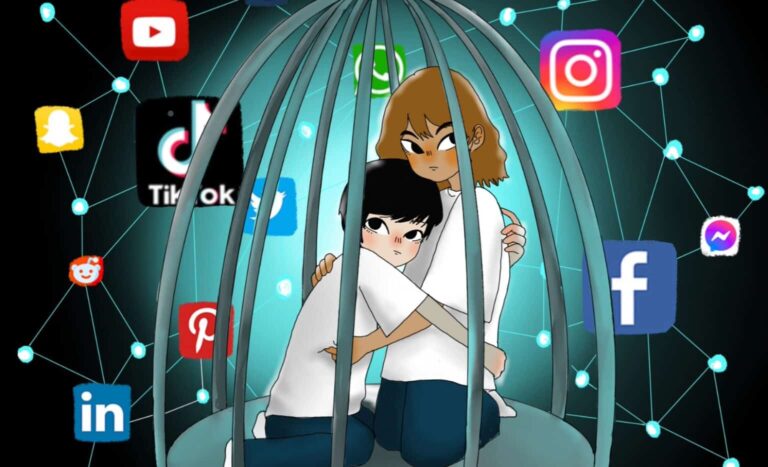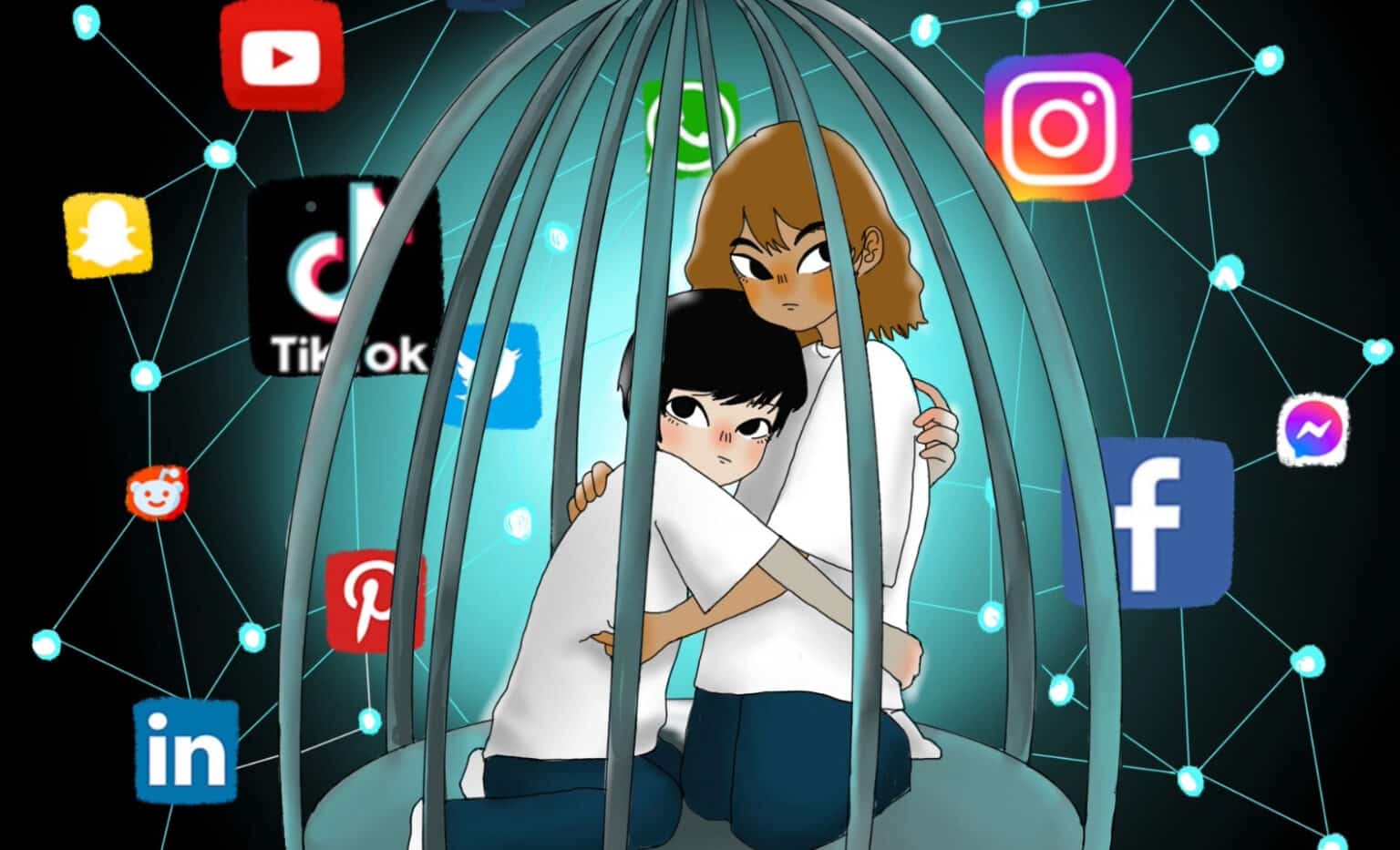
In today’s digital age, social media has become an inseparable part of our daily lives. From the moment we wake up to the time we go to sleep, we are constantly scrolling, liking, sharing, and comparing. Platforms like Instagram, TikTok, and Facebook have transformed the way we communicate, express ourselves, and even perceive reality. But behind the filters, edits, and perfectly timed posts lies a truth that many people fail to see — social media is not always as real as it seems.
The Illusion of a Perfect Life
One of the biggest realities of social media is the illusion of perfection. People tend to share only the best parts of their lives — vacations, achievements, celebrations, and carefully curated selfies. What we don’t see are the struggles, failures, and everyday challenges that everyone faces. This creates a distorted image of reality where it seems like everyone else is living a happier, more successful life.
As a result, many users fall into the trap of comparison. They start questioning their own worth, appearance, and achievements. This constant comparison can lead to feelings of inadequacy, anxiety, and even depression. The truth is, social media is more like a highlight reel than a full movie.
Filters, Editing, and Fake Standards
Another hidden reality is the widespread use of filters and editing tools. A simple photo can be transformed into something completely different with just a few taps. Clear skin, perfect lighting, slim features — all of it can be artificially created. Over time, these edited images set unrealistic beauty standards, especially among young users.
This has a serious impact on self-esteem. People begin to believe that they need to look a certain way to be accepted or appreciated. But what they often forget is that most of what they see online is not natural — it is edited, filtered, and sometimes even staged.
The Pressure to Stay Relevant
Social media is not just about sharing anymore; it has become a competition. Who has more followers? Who gets more likes? Who is going viral? This pressure to stay relevant pushes people to constantly create content, often at the cost of their mental peace.
Many influencers and content creators feel the need to post regularly to maintain engagement. This can lead to burnout, stress, and a constant fear of losing popularity. The irony is that while social media promises fame and recognition, it often demands consistency and perfection in return.
Reality vs. Validation
Another important aspect is the need for validation. Likes, comments, and shares have become a form of social approval. People often measure their self-worth based on how their content performs online. A post with fewer likes can ruin someone’s mood, while a viral post can boost their confidence instantly.
But this kind of validation is temporary and external. It does not reflect a person’s true value or identity. Relying too much on online approval can disconnect individuals from real-life relationships and genuine self-acceptance.
The Business Behind the Screens
It is also important to understand that social media platforms are businesses. Their goal is to keep users engaged for as long as possible. Algorithms are designed to show content that grabs attention, triggers emotions, and encourages interaction.
This is why controversial, dramatic, or highly emotional content often goes viral. It keeps people hooked, scrolling endlessly without realizing how much time they are spending. In many cases, users are not just consumers — they are also the product, as their data is used for targeted advertising and marketing.
Mental Health Matters
The impact of social media on mental health cannot be ignored. Studies have shown that excessive use of social media can lead to anxiety, loneliness, and sleep disturbances. Constant exposure to curated content can make people feel like they are falling behind in life.
However, this does not mean that social media is entirely bad. It can be a powerful tool for connection, learning, and self-expression. The key is to use it mindfully. Setting boundaries, taking breaks, and focusing on real-life interactions can help maintain a healthy balance.
Finding the Balance
The reality of social media is not black and white — it lies somewhere in between. It is neither completely fake nor entirely real. It is a platform where people choose what to show and what to hide.
To navigate this digital world wisely, users must develop awareness. Understanding that not everything online reflects reality is the first step. Instead of comparing, people should focus on their own journey, growth, and happiness.
Conclusion
Behind every post, story, and video, there is a person with a real life that goes far beyond the screen. Social media may show us a polished version of reality, but it is important to remember that perfection is often an illusion.
About the Author