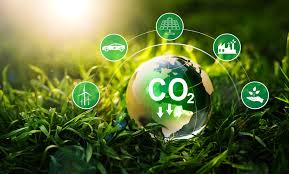
Sustainability used to be something companies talked about in glossy brochures — a little recycling, a few energy-saving measures, maybe a charity partnership. But in the past few years, British businesses have been hit with rising expectations from customers, investors, suppliers, and regulators. It’s not enough anymore to claim you’re sustainable. You need something credible behind it, something recognised.
That’s where sustainability certifications come in — the badges, audits, and frameworks that help companies prove they’re doing what they say. And in 2025, more UK firms than ever are pursuing them, partly because the pressure is on, partly because businesses are realising sustainability is no longer a PR exercise. It’s becoming a fundamental part of competitiveness.
Here’s a deeper look at the top sustainability certifications British businesses are chasing, why they matter, and what each actually involves.
Why Certifications Matter More Now Than They Did Even a Year Ago
A few things have shifted quickly:
- Consumer trust has dropped. People are wary of “greenwashing,” and certifications act as independent proof.
- Supply chains demand data. Larger corporations increasingly require verified sustainability metrics from their suppliers.
- Regulation is tightening. With expanding environmental reporting rules and carbon-reduction expectations, having a recognised certification makes compliance easier.
- Investors want assurance. Certifications reduce risk and signal long-term resilience — a factor investors now take seriously.
Put simply: a sustainability certification isn’t just a badge anymore. It’s becoming part of the license to operate.
1. B Corp Certification — The Fastest-Growing Badge of Ethical Business in the UK
If there’s a breakout star among certifications, it’s B Corp. Over the past few years, the UK has seen a surge of companies aiming for this status — from artisan bakeries to mid-sized manufacturers and even professional services firms.
What it means:
B Corp evaluates a company’s entire social and environmental impact. Not just carbon emissions, but how a business treats staff, manages governance, handles supply chain risks, and contributes to communities.
Why businesses pursue it:
It’s widely recognised, consumer-friendly, and signals a deeper ethical commitment than purely environmental standards. B Corp appeals to companies looking to show they are purpose-driven, not just compliant.
The challenge:
It’s hard. Really hard for some. Companies must answer hundreds of detailed questions, provide proof, update policies, and often change internal practices before passing.
But the payoff? High credibility. Especially with younger consumers and employees.
2. ISO 14001 — The Classic Environmental Management Standard
If B Corp is the modern, values-driven badge, ISO 14001 is the steady, no-nonsense one. It’s been around for years and remains one of the most widely used environmental certifications in the UK.
What it means:
ISO 14001 certifies that a company has a structured environmental management system — basically, that it actively measures, manages, and improves its environmental performance.
Why it’s important:
Because it’s internationally recognised. Supply chains trust it. Government contracts often require it. And for industries with manufacturing or logistics operations, it’s a reliable way to formalise sustainability efforts.
Who uses it:
Construction firms, manufacturers, warehouses, transport companies — anyone with a significant environmental footprint.
It’s less glamorous than B Corp, but extremely practical.
3. Carbon Trust Standard — For Firms Serious About Reducing Emissions
As carbon reporting becomes a bigger part of doing business in the UK, many companies are turning to Carbon Trust certifications to validate their progress.
What it means:
To earn the Carbon Trust Standard, a business must show real, measurable reductions in carbon emissions, waste, or water use over a set period. Not plans. Not promises. Actual reductions.
Why companies like it:
Because it offers clear, third-party verification — helpful when dealing with clients or tender processes that require proof of emission cuts.
It’s not the easiest certification, mainly because you need solid data, but it’s one of the most respected for carbon-focused companies.
4. PAS 2060 — Carbon Neutral Certification
As more British firms announce “carbon neutral” goals, PAS 2060 has become the go-to standard to prove those claims aren’t just marketing.
What it means:
PAS 2060 sets out the rules for achieving verified carbon neutrality — requiring businesses to measure emissions, reduce them where possible, and offset the remainder in a credible way.
Why it’s rising fast:
Because saying “we’re carbon neutral” without proof invites criticism. PAS 2060 is the widely accepted way to avoid that.
Who uses it:
Retailers, tech firms, hospitality businesses — really, any sector trying to demonstrate leadership in carbon action.
5. ISO 50001 — For Energy-Intensive Businesses
While ISO 14001 deals with environmental management broadly, ISO 50001 zooms in specifically on energy efficiency.
Who benefits most:
Companies with heavy energy use — factories, data centres, logistics firms — where small improvements can translate into large financial savings.
What it means:
The business has a certified system to monitor, manage, and reduce its energy consumption.
Why it matters:
With fluctuating UK energy prices, this certification offers more than sustainability credentials — it directly improves cost control.
6. Fairtrade Certification — Still a Major Force in Ethical Sourcing
While sometimes seen as more retail-focused, Fairtrade remains a powerful certification for British brands that rely on global supply chains.
What it means:
Ingredients or materials are sourced according to strict ethical and environmental standards — fair wages, safe working conditions, sustainable farming, and community support.
Why businesses pursue it:
Because it’s recognised instantly by consumers. And increasingly, suppliers want to prove that their supply chain is free from exploitation — especially as the UK strengthens modern slavery compliance requirements.
It’s not only for food; textiles, cosmetics, and craft producers also use it.
7. LEED and BREEAM — For Sustainable Buildings and Workspaces
More UK companies are investing in greener buildings, whether for offices, warehouses, or manufacturing sites. Two major certifications dominate:
- BREEAM — the UK-born standard for building sustainability
- LEED — a widely used international alternative
What they measure:
Energy use, water efficiency, materials, environmental impact, and the overall sustainability of the built environment.
Why they’re important:
Greener buildings lower operating costs, attract tenants, and help companies meet net-zero strategies.
As more British businesses move into eco-retrofit projects, these certifications are becoming mainstream.
8. Soil Association Organic Certification — For Food, Farming, and Health Brands
For companies operating in food, farming, cosmetics, or household goods, organic certification from the Soil Association is the gold standard.
What it means:
Ingredients and farming methods meet strict environmental rules — no synthetic pesticides, no intensive chemical inputs, better animal welfare, and sustainable land management.
Why it matters:
Consumer trust. British shoppers continue to associate the Soil Association logo with high-quality, environmentally friendly goods.
Choosing the Right Certification: What British Businesses Should Consider
Not every business needs every badge. But choosing the right certification depends on your goals.
If you want broad ethical credibility:
B Corp
If you want operational structure and compliance:
ISO 14001 or ISO 50001
If you need to prove carbon reductions:
Carbon Trust Standard or PAS 2060
If you rely on international sourcing:
Fairtrade or Soil Association
If you’re upgrading buildings:
BREEAM or LEED
The best move is often a combination — one that fits your operational reality rather than chasing trends.
Final Thoughts — Certifications Are Becoming Part of the New Normal
The growing list of sustainability certifications isn’t a fad. It’s part of the UK’s shifting economic landscape, where companies are expected to be transparent, responsible, and climate-aware. For British businesses, getting certified can mean:
- stronger supplier relationships
- better access to investment
- higher consumer trust
- smoother compliance
- and, yes, competitive advantage
It’s no longer just about being “green.” It’s about being credible at a time when everyone is watching.
About the Author