Reducing your carbon footprint at home might seem like a huge, almost impossible task. After all, electricity, heating, food, travel — everything we do contributes to greenhouse gas emissions. But the good news is, small, consistent changes can add up to a meaningful difference. With the right approach, it’s possible to live comfortably while lowering your impact on the environment. This guide explores practical, research-backed ways to reduce your carbon footprint at home in the UK, from energy use to lifestyle choices.
Understanding Your Carbon Footprint
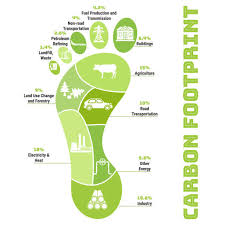
Your carbon footprint is the total amount of greenhouse gases — mainly carbon dioxide — that are emitted as a result of your daily activities. It includes:
- Home energy use: electricity, gas, oil, and heating.
- Transport and travel: cars, public transport, flights.
- Food and diet: production, transport, and packaging of meals.
- Consumer goods and waste: clothing, electronics, and household items.
In the UK, the average household emits around 10 tonnes of CO₂ equivalent per year, with energy and transport being the largest contributors. Reducing emissions doesn’t require radical lifestyle changes — often, simple swaps and smarter choices are enough.
Energy Efficiency at Home
- Switch to Renewable Energy Providers
Many UK energy suppliers now offer 100% renewable electricity or green tariffs. Moving to a green energy provider reduces your home’s emissions immediately. - Improve Insulation and Draught Proofing
Heating accounts for a large portion of home emissions. Insulating walls, lofts, and floors, and sealing gaps around windows and doors, can dramatically reduce energy use. - Install Smart Heating Controls
Thermostats, timers, and smart systems help heat only when needed. Lowering your thermostat by just 1°C can reduce energy use by around 10%. - Upgrade to Energy-Efficient Appliances
Replacing old fridges, freezers, washing machines, and boilers with A-rated or modern equivalents reduces electricity consumption. Even small appliances like kettles or toasters can benefit from efficiency upgrades. - Use LED Lighting
Switching to LED bulbs reduces electricity consumption significantly and extends the lifespan of lighting.
Water and Resource Conservation
- Reduce Hot Water Use
Hot water accounts for a substantial part of home energy. Use low-flow showerheads, fix leaks, and avoid unnecessarily long showers. Washing clothes at 30°C instead of 60°C saves energy. - Collect Rainwater or Reuse Greywater
For gardening or cleaning purposes, using collected rainwater or recycled water reduces both water and energy use. - Be Mindful of Consumption
Buying fewer disposable or single-use items reduces both waste and emissions from production. Opt for reusable items where possible.
Food and Diet
- Eat More Plant-Based Meals
Meat, especially beef and lamb, has a high carbon footprint. Incorporating more vegetables, legumes, grains, and plant-based proteins can reduce emissions. - Buy Local and Seasonal
Foods grown locally or in season require less transportation and energy for storage. Farmers’ markets and local produce shops are ideal for this. - Reduce Food Waste
Planning meals, storing food correctly, and using leftovers minimizes wasted food — which not only saves money but also prevents emissions from landfill decomposition. - Avoid Over-Packaged Goods
Packaging, particularly plastic, contributes to emissions during production and disposal. Choose loose or minimal-packaging options when possible.
Travel and Transport
- Walk, Cycle, or Use Public Transport
Short journeys by car produce disproportionately high emissions. Walking, cycling, or taking the bus or train for commuting or errands reduces carbon output. - Switch to Electric or Hybrid Vehicles
If a car is necessary, consider electric or hybrid options. Charging from renewable electricity further reduces emissions. - Reduce Air Travel
Flights have a very high carbon footprint. Opt for train travel for domestic or short international trips, or plan holidays closer to home.
Waste Management
- Recycle and Compost
Properly sorting recyclables and composting organic waste reduces landfill emissions. In the UK, most councils provide kerbside recycling and green bins for compostable waste. - Buy Second-Hand and Reuse
Purchasing pre-owned items or repairing instead of replacing reduces production-related emissions. Clothing, furniture, and electronics can all be reused effectively. - Choose Minimal Packaging
Select products with little or no packaging and avoid single-use plastics. Supporting brands with sustainable packaging practices encourages wider change.
Lifestyle Choices
- Use Less Heating and Cooling
Wear warmer clothing indoors in winter and use fans or ventilation in summer instead of relying solely on heating or air conditioning. - Monitor Your Energy Use
Smart meters and energy monitors help track consumption, highlight wasteful habits, and motivate reductions. - Educate and Involve Household Members
Encourage everyone in your household to be mindful of energy, water, and waste. Small contributions from each member can have a big impact.
Digital Carbon Footprint
- Reduce Streaming and Cloud Storage Energy Use
Data centers consume energy. Limit unnecessary streaming, delete unused files, and store media locally when possible. - Extend the Lifespan of Electronics
Repair gadgets rather than replacing them, and recycle them responsibly at end-of-life.
Small Changes, Big Impact
Even simple changes, repeated consistently, can significantly lower your household emissions:
- Switching to renewable energy can cut hundreds of kilograms of CO₂ annually.
- Reducing meat consumption and food waste saves both money and emissions.
- Energy-efficient appliances and LED lighting gradually reduce household electricity demand.
- Sustainable transport choices lower your footprint far more than small lifestyle changes alone.
Final Thoughts
Reducing your carbon footprint at home is not about perfection; it’s about progress and awareness. Each step — from turning off unused lights, installing insulation, eating plant-based meals, to choosing public transport — adds up over time.