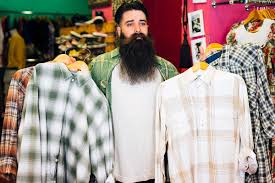
Second‑hand fashion in the UK is no longer something whispered about among thrift‑shop regulars or vintage lovers. It’s gone mainstream. In 2025, more people than ever are buying, selling, and embracing second‑hand clothing — not just because it’s cheap, but because it feels smart, sustainable, and even stylish. This shift signals not just a change in wardrobes, but a change in values.
How Big the Boom Is — The Numbers Behind the Trend
Recent data show the second‑hand apparel market in the UK is growing fast. The whole sector is forecast to grow at roughly a 9.3% compound annual growth rate (CAGR) through 2034.
In practical terms, that growth is already visible: second‑hand clothing — online and physical — pulled in about £4.3 billion in 2024, making it the largest segment in the UK second‑hand market.
Surveys reflect how widespread the habit has become. In 2024, over 54% of Britons reportedly bought second‑hand clothing online — a majority.
What’s more, about 62% of UK shoppers now say they have bought second‑hand clothes at some point — an indication the shift isn’t limited to niche or budget‑conscious shoppers.
Even among younger demographics, the numbers stand out: for people aged 18–34, the average proportion of a wardrobe that’s pre‑owned hits 34%, compared to a national average of 23%.
Together, these numbers suggest — second‑hand is not shrinking, not fringe. It’s booming, and rapidly becoming part of everyday fashion.
What’s Driving the Shift — Key Motivations Behind Pre‑Loved Fashion
The surge in second‑hand fashion isn’t random. Several forces come together to power it.
— Economic Pressure and Affordability
With cost‑of‑living rising for many households, second‑hand clothing offers a significant financial relief. Often, garments sell for 30–80% less than their original retail price — making quality fashion accessible to more people.
— Environmental & Ethical Awareness
More consumers — especially younger generations — are aware of fashion’s environmental cost: waste, overproduction, fast‑fashion cycles. Buying pre-loved reduces demand for new clothes, reuses existing resources, and helps tackle textile waste.
— Changing Attitudes & Social Acceptance
What once might have felt stigmatized (charity‑shop clothes, second‑hand markets) now carries status — the “vintage,” “retro,” or “unique‑find” badge. Platforms and pop‑ups have helped normalise second‑hand as a first shopping choice, not a last resort. — Online Platforms and Digital Marketplaces
Apps and websites like resale platforms have made second‑hand shopping far easier, broader and more user‑friendly. Fast browsing, easy resale, convenient shipping — second‑hand is just a few clicks away.
— Desire for Unique & Sustainable Style
For many, second‑hand items aren’t just cheaper — they’re more interesting. Vintage cuts, rare pieces, sustainable buys that stand out from mass-produced fast fashion. It’s a way to express individuality without contributing to over‑manufacturing and waste.
What Second‑Hand Fashion Looks Like in 2025 — How People Are Buying
The second‑hand fashion landscape today is diverse and evolving.
- Online marketplaces remain dominant. Many buyers discover, buy and sell through apps and websites that list thousands of items — from budget basics to designer vintage.
- Physical shops and pop‑ups are resurging too. Charity shops, curated thrift stores, and dedicated second‑hand pop‑ups (especially in urban areas) give buyers the chance to browse, touch fabric, try sizes — adding a tactile, social side to thrifting.
- Hybrid resale by mainstream retailers. Some established brands and retailers have started integrating resale or “pre-loved” sections — acknowledging that second‑hand isn’t fringe but part of core retail strategy.
- Luxury and vintage resale niche expanding. Some buyers are even using resale markets to access higher‑end or out-of-print pieces from luxury labels at lower cost. This shows second‑hand isn’t just about basics — it’s about value, character, and long‑term wear.
Challenges and Criticisms — What the Trend Still Needs to Address
Despite growth and enthusiasm, second‑hand fashion in the UK isn’t perfect — and there are a few trade‑offs and blind spots that remain.
- Inconsistency and quality issues. Pre‑owned garments may show wear, sizing might be unpredictable, and return or refund policies can be limited (especially in online resale or local thrift stores). That unpredictability can be a barrier for some shoppers.
- Market saturation and price inflation. As second‑hand becomes trendy and demand rises, some “thrift” prices climb — eroding the value advantage. A few pieces of “vintage” or “retro” clothing may cost almost as much as cheap new fashion.
- Limited supply for some sizes/types. Depending on brand, size, or style — you might have a hard time finding what you need second‑hand. Selection is more hit‑and‑miss than mainstream retail.
- Environmental and logistics footprint. Resale platforms with shipping, returns, and courier services still involve transportation and packaging — not zero‑impact. Without careful consumer behaviour, environmental benefits can be diluted.
- Uneven regional access. Big cities tend to have thriving resale markets and high‑street pop‑ups; rural areas may still lack decent second‑hand options or rely on online only — affecting accessibility.
What This Means for Fashion, Consumers, and the UK Market
The rise of second‑hand fashion in the UK is about more than saving money — it reflects deeper shifts in values, economics, and consumer behaviour.
- For consumers: second‑hand offers a viable, often better alternative to fast‑fashion — affordability, sustainability, and even uniqueness. It gives people agency to reject wasteful consumption patterns.
- For fashion industry: the growth forces brands and retailers to rethink how clothing is produced, sold, and reused. Some are adapting by integrating resale or embracing circular models — which could reshape fast‑fashion norms.
- For environment and society: if the trend continues, less demand for new clothes could mean reduced resource consumption, less waste, and a smaller environmental footprint. It’s a step toward more circular, responsible consumption.
- For the future of shopping culture: second‑hand may redefine what “new” means. Instead of chasing trends, people might prioritise style longevity, quality, and sustainability.
Final Thoughts
The rise of second‑hand fashion in the UK shows how quickly attitudes can shift — from fast‑fashion convenience to considered, sustainable style. What once seemed like niche thrift‑shop behaviour is now mainstream: over half the population buys second‑hand clothing, markets worth billions are growing, and even major retailers are taking note.