As more families, commuters and holiday-makers in the UK switch to EVs, one concern keeps cropping up: can an electric car really handle a long trip — say London to Edinburgh, or a weekend getaway to Cornwall — without turning the journey into a charging-station scavenger hunt? Thankfully, in 2025, the answer is more optimistic than ever. Several electric cars on sale now combine long real-world range with decent charge speeds and comfortable interiors — making them strong candidates for long-distance driving on UK roads and motorways.
Below is a detailed look at some of the best EVs for long hauls — what they offer, where they struggle, and who they’re most suited for.
What “Long-Distance Ready” Means for an EV in the UK
Before picking cars, it helps to define what makes an EV suitable for long distances. For most British drivers, that means:
- A large battery and long real-world range — enough miles to reduce the number of charging stops on a long journey.
- Good efficiency and stable range even at motorway speeds (where air resistance, weather, and heating/AC use can reduce official range quite a bit).
- Fast-charging capability for motorway stops — so topping up on the way doesn’t feel like a punishment.
- Comfort, interior space and reliability — long drives need good seats, decent ride quality, and peace of mind.
- A realistic balance between cost, range, and practicality. Buying the absolute longest-range EV doesn’t always make sense for average users.
With those criteria in mind, here are some of the standouts in the UK market today.
Top Picks for Long-Distance EV Travel in 2025
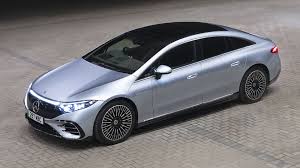
Mercedes-Benz EQS
The EQS is often regarded as the benchmark for long-range EV travel. Its latest spec claims up to 481 miles WLTP range — easily among the highest in the UK. In realistic driving, even with motorway speeds and British weather, many owners report strong long-distance performance — close enough to rival a good diesel or petrol cruiser.
The cabin is plush, ride quality high, and the car feels more comparable to a luxury saloon than a traditional “EV compromise”. Downsides: it’s expensive, and charging a very large battery from a standard home charger can take a long time.
Best for: drivers who want to minimise charging stops on long trips, value comfort, space, and luxury, and are willing to pay extra for it.
Tesla Model 3 Long Range
The Model 3 Long Range remains one of the most balanced EVs for UK drivers wanting distance, practicality, and affordability. Real-world data suggests a usable motorway-friendly range and fast charge speeds which make it suitable for regular long journeys.
It offers a more affordable entry compared with ultra-luxury premium EVs, while still being efficient and reliable. The support from public charging networks, especially Tesla’s Supercharger network, helps for long-haul trips.
Best for: drivers wanting a balance — long-distance capability without a luxury-car price tag; good value for everyday use and occasional long trips.
Polestar 3 (Long Range Single Motor)
Polestar’s premium SUV-style EV comes with a big battery and respectable range — enough that it often appears in lists of top long-range EVs in Britain. Its charging performance is solid, and the bigger battery helps on longer journeys, especially when motorway speeds and real-world conditions eat into range.
It offers a roomy, comfortable interior and a calming ride — which matters a lot if you’re doing several hours on UK motorways or back-to-back trips.
Best for: people needing a roomy EV for family or long trips, wanting something more substantial than a standard hatchback without jumping into ultra-luxury price brackets.
Volkswagen ID.7
Among EVs that try to balance practicality and range, the ID.7 does a good job. Its package feels less premium than some high-end models, but that also means better affordability while still offering a realistic long-journey range.
For families or drivers who value space and comfort on long rides — without wanting a luxury-car budget — the ID.7 presents a reasonable middle ground.
Best for: those who want a practical, no-frills EV that still handles long motorway journeys relatively well, while valuing affordability.
What “Range” Means — And What to Watch Out For
Even the best EVs are not magic. Real-world long-distance driving in UK conditions seldom matches the “headline range” figures manufacturers quote.
- Weather, motorway speeds, hills, and load (luggage, passengers) can reduce range significantly compared with WLTP claims.
- Driving style matters — heavy acceleration or frequent top speeds reduces efficiency much faster than gentle throttle or cruise-control motorway driving.
- Charging infrastructure isn’t perfect. For frequent or long trips, you still need to plan around charger availability, especially on rural routes or off-peak times when some chargers can be unreliable.
So when someone says “I want an EV that does 400 miles on a single charge,” it’s wise to treat that as the ideal maximum — not everyday reality.
Who Should Consider These Long-Range EVs — And Who Might Overpay
These long-range EVs make most sense if:
- You regularly do long motorway journeys (inter-city travel, family visits, work travel).
- You want a daily-use car that doubles as a long-haul machine — no switching cars for long trips.
- You value comfort, space, and reliability — especially for family trips or business travel.
They might be less ideal if:
- Most of your driving is local, short commutes, or city errands.
- You don’t have easy access to fast charging or live far from major charging networks.
- You prioritise upfront cost over long-term convenience — some long-range EVs are expensive, and if you barely use them for long trips, cheaper EVs or hybrids might make more sense.
Final Thoughts
Thanks to rapid progress, EVs in 2025 are finally reaching a stage where long-distance travel doesn’t feel like a gamble. Cars like the Mercedes-Benz EQS, Tesla Model 3 Long Range, Polestar 3, and Volkswagen ID.7 show it’s possible to cover hundreds of miles without range anxiety — provided you manage charging smartly, drive sensibly, and plan for real-world conditions